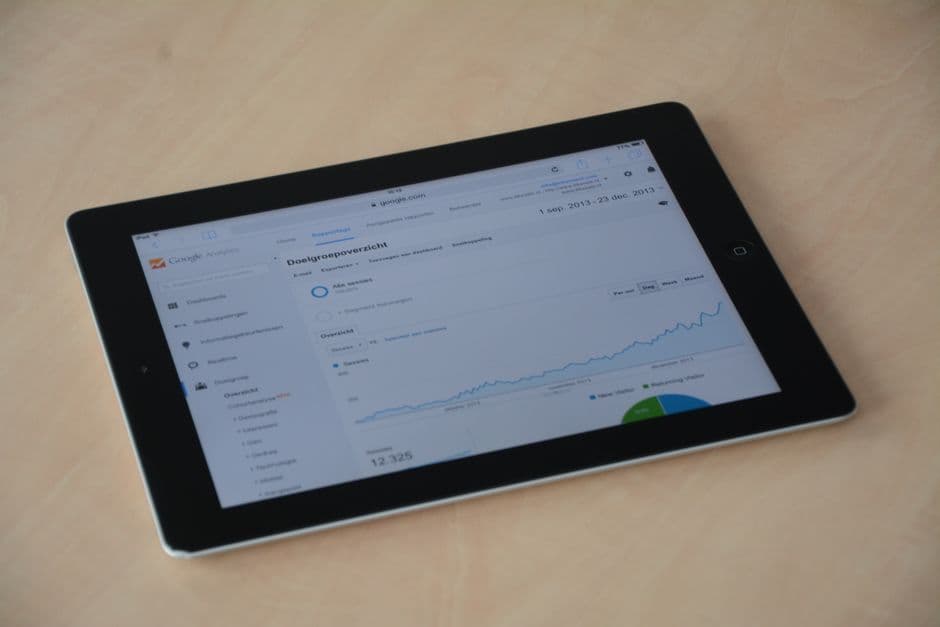

optimizacion-conversion11 min read
Benchmarking: What It Is, Types, and How to Do It
Complete guide to benchmarking: what it is, the 4 main types, a step-by-step process, and how to compare your conversion rates with your industry...
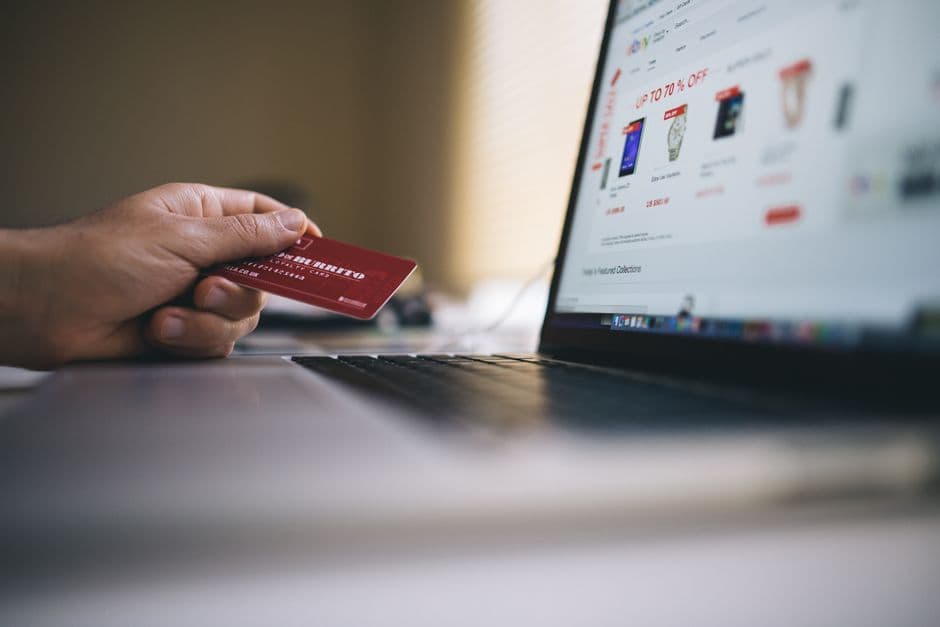
Trust signals are visual, textual, or functional elements that reduce the user's perceived risk during the purchasing process. They are the answer to the question every online buyer asks, consciously or unconsciously: can I trust this store?
According to Baymard Institute data, 18% of cart abandonments occur because the user does not trust the site enough to enter their payment details. That 18% does not have a problem with the price, the product, or the shipping costs. They simply do not trust the site. Trust signals directly address that problem.
Real customer reviews are the most powerful trust signal. A product with 200 reviews and a 4.3-star average generates more trust than one with no reviews, even if the second product is better. Volume matters as much as the score.
Negative reviews, paradoxically, also build trust. A product with only 5-star reviews looks fake. A natural distribution (mostly 4-5, some 3, few 1-2) feels more credible.
Security seals (SSL, Norton Secured, Trusted Shops, McAfee Secure) communicate that the site is safe for transactions. Their impact is greater on lesser-known stores: a user buying on Amazon does not need a security seal, but one buying from an independent store does.
Displaying logos for Visa, Mastercard, PayPal, Apple Pay, or Google Pay builds trust because the user recognises brands they already trust. Additionally, the presence of PayPal implies an additional layer of buyer protection.
A visible, simple, and generous return policy reduces perceived risk. "Free returns within 30 days" is a powerful trust signal because it reverses the risk: if the product does not satisfy, the store absorbs the cost.
Social proof goes beyond reviews. It includes counters ("3,500 satisfied customers"), logos of well-known clients, press mentions, case studies, and user-generated content. For a deeper look at this topic, check our guide to social proof in ecommerce.
Stock photos breed distrust. Real photos of the product, team, warehouse, or manufacturing process create authenticity. Unboxing or product-use videos, whether from the brand or from customers, are especially effective.
"Featured in The New York Times, Forbes, and TechCrunch" lends external authority. Users perceive that if recognised media outlets talk about the brand, it must be legitimate. The mention does not need to be a positive review: mere presence in recognised media already builds trust.
Industry certifications (ISO, B Corp, fair trade, eco-friendly) and awards (best ecommerce of the year, best customer service) provide third-party validation. Their effectiveness depends on whether the user recognises the certification.
Placement matters as much as the signal itself. Each page in the funnel has its own trust needs.
| Page | Priority signals | Goal |
|---|---|---|
| Homepage | Client logos, press mentions, trust figures | Establish brand credibility |
| Category page | Review count, average rating, seals | Facilitate exploration |
| Product page | Detailed reviews, customer photos, return policy | Overcome purchase objections |
| Cart | Security seals, payment methods, shipping and returns | Reduce pre-checkout friction |
| Checkout | Visible SSL, payment logos, guarantee, contact phone | Eliminate the final barrier |
Micro-relief zones are small trust messages placed next to the buy button or at friction points. Examples: "Free shipping over EUR 50", "100% secure payment", "Free returns within 30 days". They are brief, direct, and reduce anxiety at the precise moment of decision.
Data supports the importance of trust signals in ecommerce:
Before adding more signals, audit the ones you already have. This checklist will help:
Trust signals are ideal candidates for A/B testing because they are relatively simple changes to implement with potentially high impact.
Examples of tests we have run at Boost:
The key is to test one signal at a time and measure the impact on the metric that matters (conversion, not clicks). Trust signals work cumulatively: each one contributes a small percentage, but the combination makes the difference.
Trust signals are not a decorative detail: they are a fundamental component of ecommerce conversion. 18% of cart abandonments are due to a lack of trust, and that is a problem with a solution.
The right strategy is to audit your current signals, identify the funnel points where trust is most fragile (typically checkout and product page), add the appropriate signals, and test their impact with A/B testing.
If you want to audit your ecommerce trust signals and improve your conversion, discover our CRO service or request a free diagnosis with Scan&Boost.
--- Adrià Vidal, Boost
Complete guide to benchmarking: what it is, the 4 main types, a step-by-step process, and how to compare your conversion rates with your industry...
The Facebook Ad Library lets you view all active ads from any advertiser. Learn how to use it to analyze competitors and improve your campaigns.
A CRO audit reveals exactly why your website is losing conversions. Follow this step-by-step checklist to find and fix the leaks in your funnel.