

optimizacion-conversion6 min read
Affiliate Marketing: What It Is and How It Works
What affiliate marketing is, how it works, commission models (CPA, CPS, CPL), top platforms, pros, cons and how to measure conversion.
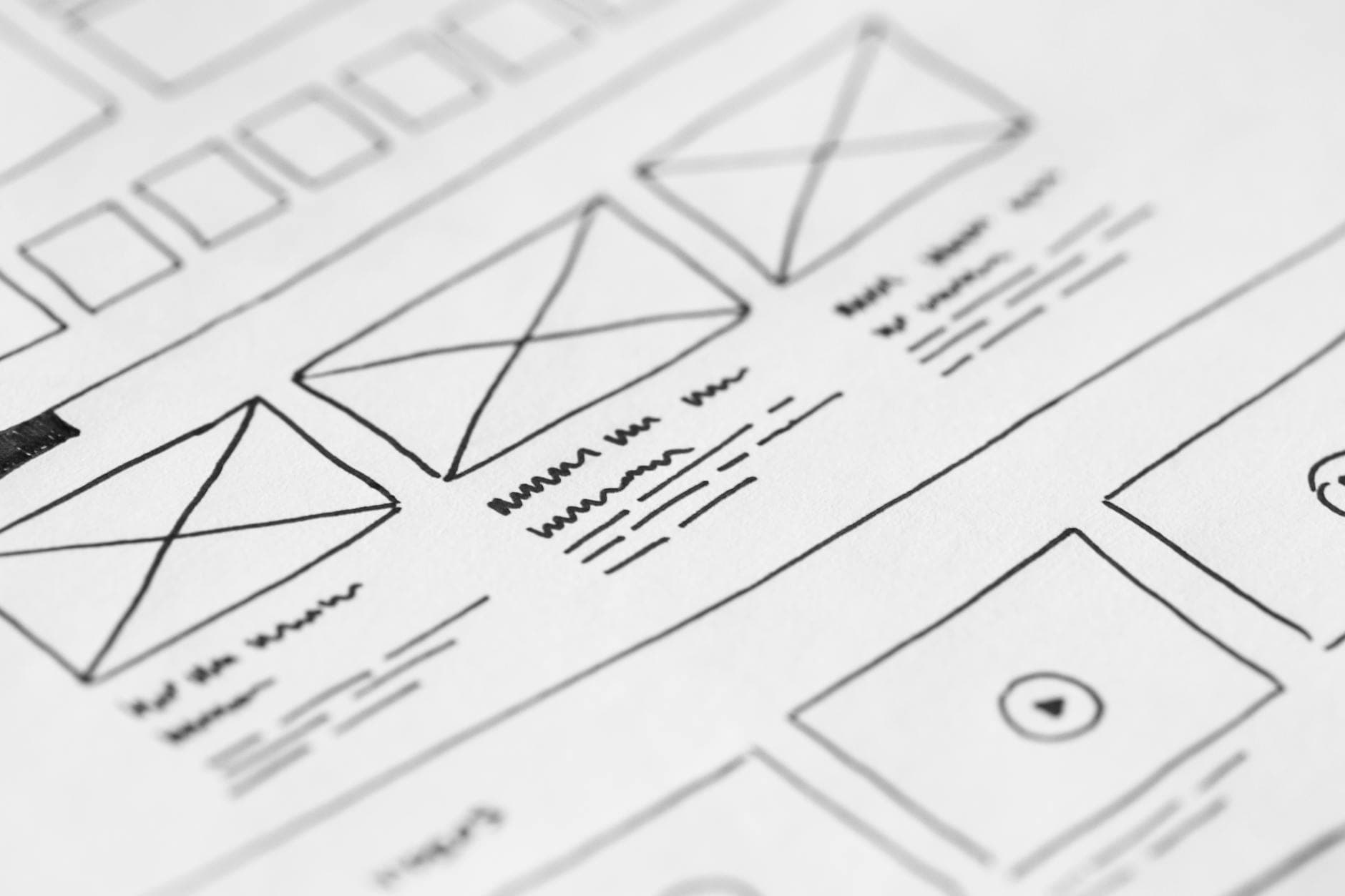
Also known as a UX Designer, this is a professional considered one of the fundamental pillars of any digital business or ecommerce. Although there are many pieces and links that make up the company's organisational chart when developing a new digital product or business, this role has managed to become one of the most relevant. Their work, responsibilities and importance within the online market is why today we decode the role of a UX Designer.
In this article we'll cover their role, the areas they are responsible for and the reasons why this discipline has become the key piece for having a successful ecommerce or digital business. The UX Designer can tip the scales between success or failure, as their decisions directly impact the company's marketing strategies and the conversion of its potential customers.
Although many confuse them with a UI Designer, the UX Designer is a professional whose primary objective will always be to provide the best user experience — that is, making user interaction completely simple and intuitive, allowing the relationship between the brand and users to deliver the best possible experience.
Although there will be occasions where this profile overlaps with UI Design, these are completely different disciplines, as the latter focuses directly on working with the interface design, the visual appearance displayed on screen through a web page or mobile application. The UX Designer is considered the information architect, the professional in charge of capturing the user's attention after getting to know them.
Their role is as important as it is varied, as it will always depend on the digital business, its objectives, budget and the other departments they wish to develop their marketing campaigns, product development and other actions with to shape their relevance in the sector. Even so, here are some of the most important and frequently seen aspects of this professional:
User research. One of their main functions always involves studying the user, understanding their needs and decoding what they want. This includes tasks such as interviews, surveys and usability measurements to understand users' needs, motivations and behaviour. This block helps shape the design and achieve an attractive, interesting and useful product.
Content architect. The UX Designer is responsible for determining the best way to present the information shown on screen, making users feel drawn to the content. This professional ensures that all the information a user is looking for seems interesting and sufficient enough for them to feel they've found exactly what they needed.
Prototypes and Wireframes. Design ideas allow for early feedback on users' reaction to the content the brand displays on its platform. The UX Designer is in charge of creating these simplified sketches to understand and refine the ideal positioning of graphic elements. Achieving the best user experience will tip the scales in the digital business's favour, making any marketing campaign or page as attractive as possible.
Obviously, their presence in the development of proposals will always be linked to the participation of other professionals and departments, such as developers and product managers, who are responsible for aligning the product according to the company's objectives, values and budget. As you can see, the UX Designer is responsible for making the content attractive, always building on the support and work of the rest of the teams.
To stand out in the world of UX Design, a combination of analytical, technical and creative skills is required — essential traits to complete the profile of one of the most interesting professionals within the marketing strategies of any digital business. In addition to their own training, the UX Designer must develop empathy, a quality that allows them to get closer to and understand the emotions and needs of the Buyer Persona, in order to offer the best solution.
Critical thinking is also an area to develop, as it greatly facilitates the task of solving problems once they've been detected. A critical mindset will help as much as a basic understanding of psychology, since the combination of these skills will make it easier to offer users much more effective experiences. Perceiving and understanding human behaviour is essential, but it won't be useful without training in design, as it will be through tools like Sketch or Figma where they'll be able to test designs and proposals.
Although very important and necessary, a UX Designer's work is not limited to providing the best user experience — it also influences other aspects such as business decision-making or the marketing strategy itself. For a UX design to be considered perfect, it should guarantee the following results:
User retention. The abandonment rate drops when the user remains interested in the product or service. Preventing the website or app from becoming a usability barrier is one of the UX Designer's most important missions. Achieving simple and intuitive usability will strengthen the potential customer's commitment, and embracing inclusive and accessible design broadens that commitment to all audiences.
Conversions. Following on from the previous point, an intuitive design allows the user browsing the website to feel drawn to the product or service, thus leading to a conversion into a sale. Frictions in usability are minimised and actions that could hinder the curiosity or motivation of visitors are refined.
Brand strengthening. As a digital business, our image must always be as solid and reliable as possible, ensuring reliability and trust for users coming in search of a solution to their need. The UX Designer works in this area to maximise buyer loyalty.
Remember that the digital environment in which companies now operate is more competitive than ever, which makes it increasingly important to stand out in terms of the product we sell. The UX Designer is one of the most important figures if we want to achieve this. In addition to offering a great product, we must focus on refining everything behind it, from programming to the way we present content to users through marketing campaigns. Write to us here if you need to improve the performance of your online business or ecommerce and don't miss the digital marketing and analytics trends to implement in your ecommerce this year.
What affiliate marketing is, how it works, commission models (CPA, CPS, CPL), top platforms, pros, cons and how to measure conversion.
What Apple Search Ads is, campaign types (Basic and Advanced), key metrics, relationship with ASO, real costs and when it makes sense vs. Google Ads.
What a CSS partner is in Google Shopping, how the CSS program works, CPC savings advantages, how to choose a provider and its impact on conversion.