

optimizacion-conversion6 min read
Affiliate Marketing: What It Is and How It Works
What affiliate marketing is, how it works, commission models (CPA, CPS, CPL), top platforms, pros, cons and how to measure conversion.
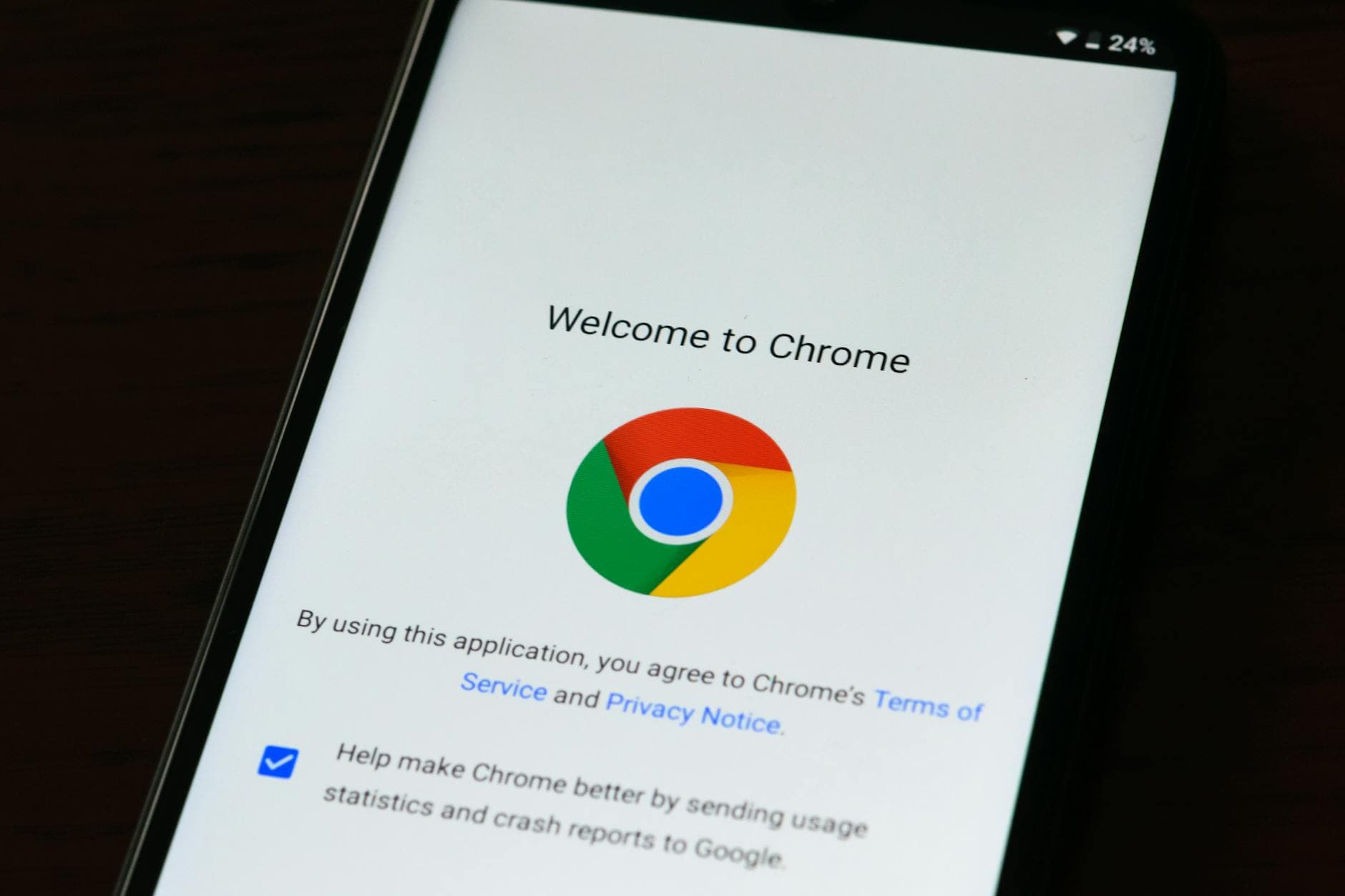
In the digital world we live in, cookies play a crucial role. These small pieces of information are the key to understanding and improving user experience on websites. In this article, we'll explain what cookies are (no, we're not talking about the chocolate chip kind), how they work, and their essential role in digital analytics and conversion.
Cookies are small text files that websites store on the user's device when they browse online. These files contain information that facilitates the interaction between the user and the website, allowing it to remember preferences and offer a more personalised experience.
Here's how they work: when a user visits a website, their browser sends a request to the server, which responds by sending the requested page along with a cookie. This cookie is stored on the user's device and is used to track information such as browsing preferences and session data. On future visits, the website can access this cookie to personalise the user's experience.
Cookies on a website can play a crucial role in improving conversion by providing valuable information about user behaviour and preferences. To make it easier to understand, here are some ways in which cookies can contribute to improving conversion:
Cookies allow you to track user behaviour, which makes it easier to personalise the user experience. By understanding their preferences and habits, you can offer product recommendations or personalised content, increasing relevance and the likelihood of conversion.
By using cookies, you can create specific audience segments based on demographic data, browsing behaviour, or purchase history. Advertising targeted at specific segments can be more effective and persuasive, increasing conversions.
Cookies are essential for tracking items in a user's shopping cart. This enables sending personalised reminders via emails or messages when users abandon the purchase process, which can recover potential transactions.
Cookies facilitate tracking the user's journey on the website, from the initial visit to conversion. Analysing this conversion funnel can reveal friction points or areas for improvement, allowing you to optimise the user flow to increase conversions.
Cookies are essential for measuring the success of digital marketing campaigns. By tracking interactions after clicking on ads or communications, you can evaluate the effectiveness of marketing strategies and make adjustments to improve the conversion rate.
Cookies can remember language preferences and website configuration, improving the user experience and avoiding potential barriers that could hinder conversion.
Session cookies: These are temporary and are deleted when the user closes the browser.
Persistent cookies: These remain on the user's device after closing the browser and have an expiration date.
Third-party cookies: Generated by a domain different from the one being visited, normally used by external analytics services.
It's essential to have a clear and accessible cookie policy on your website. This informs users about the use of cookies, how they are used, and offers options for managing them. Complying with privacy regulations is also fundamental to building user trust.
Broadly speaking, this is the basic information that must appear without exception. However, at Boost we always recommend seeking advice from experts in these legal matters.
Introduction: Here we explain what cookies are and why we use them.
Types of cookies: We list and explain the cookies we use, such as session, persistent and third-party ones.
Purpose of the cookies: We detail the specific purpose of each type, whether for personalisation, analytics or advertising.
How to reject and delete cookies: We provide clear instructions so users can manage their privacy preferences from their browser.
Policy updates: We warn about possible changes and explain how we will notify users, maintaining transparency.
Contact: We show a simple way for visitors to contact us if they have questions about how we manage the data collected by cookies.
In summary, taking advantage of cookies in an ethical and transparent way can help you transform your digital strategies. By understanding how they work and implementing clear policies, cookies will become your allies in the digital world of analytics and conversion, delivering more personalised and relevant experiences and generating significant improvements in conversion rates.
And remember: if you need a hand with improving conversion in your business by making the most of data and cookies, feel free to reach out and we'll evaluate how we can help you.
What affiliate marketing is, how it works, commission models (CPA, CPS, CPL), top platforms, pros, cons and how to measure conversion.
What Apple Search Ads is, campaign types (Basic and Advanced), key metrics, relationship with ASO, real costs and when it makes sense vs. Google Ads.
What a CSS partner is in Google Shopping, how the CSS program works, CPC savings advantages, how to choose a provider and its impact on conversion.