

optimizacion-conversion6 min read
Affiliate Marketing: What It Is and How It Works
What affiliate marketing is, how it works, commission models (CPA, CPS, CPL), top platforms, pros, cons and how to measure conversion.
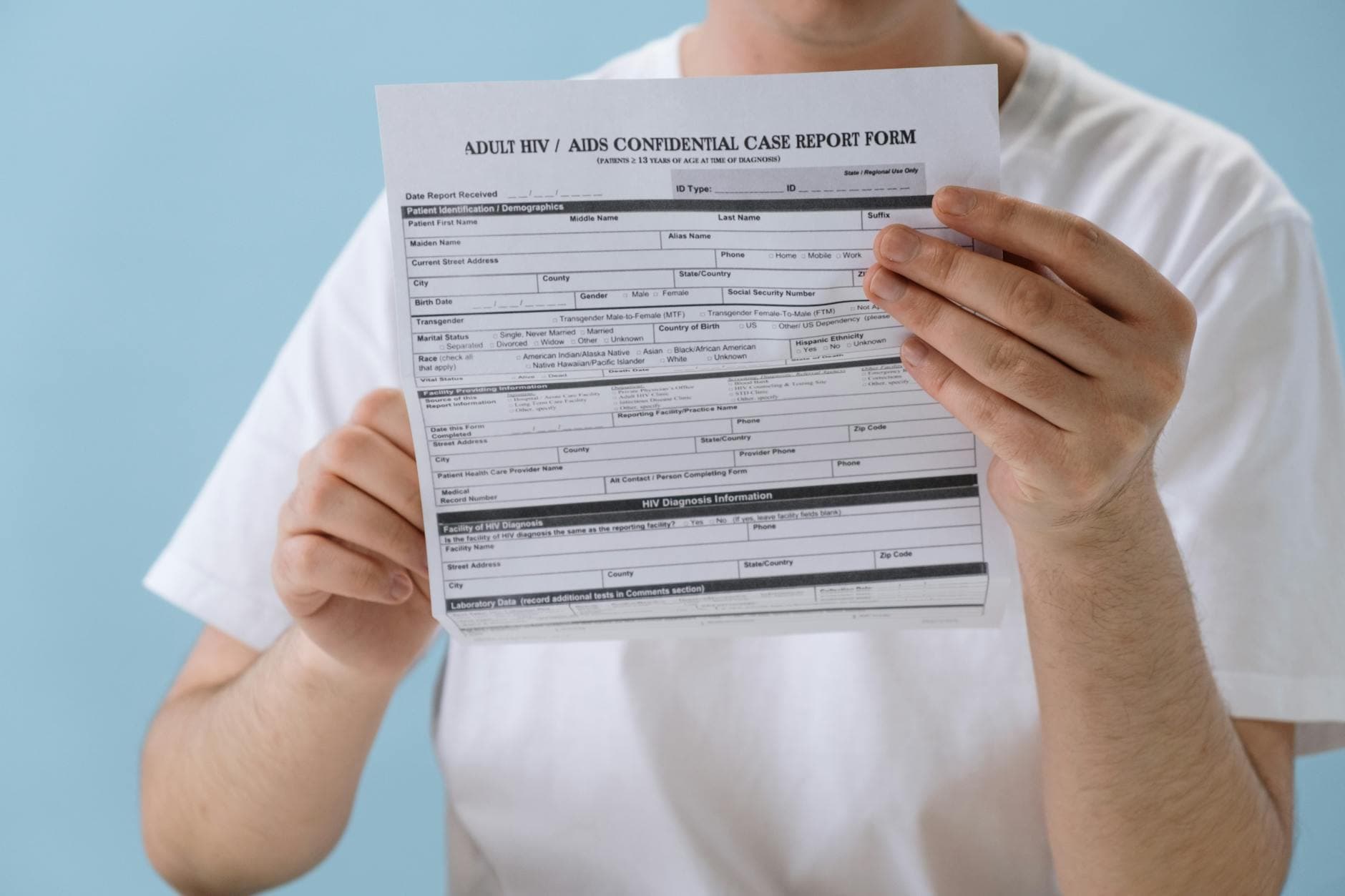
The way we view and handle our personal data is not what it used to be. In just a few decades we have gone from phone directories with our numbers available to everyone, to a widespread concern about our privacy when brands start asking for personal information. Especially online.
And for good reason. Our personal data has become the currency of exchange in the online world. To access information, to get a discount or simply to keep browsing normally. Digital companies want — and need — our data.
But if sharing it was not a concern a few years ago, the situation is very different now. GDPR, cookies... We are increasingly aware of the importance of protecting our personal data. And we are increasingly reluctant to share it.
From the perspective of any digital business or product, this can be a problem. Personal data from your potential customers is a key source of information for improving their experience and offering personalised solutions. In other words, for getting them to convert.
That is precisely why we are here today — to talk about the key moment to ask customers or users for personal information. Right at the start? After some time? These are not innocent questions; they are strategic decisions that can help you prevent your abandonment rate from skyrocketing and, ultimately, improve your results.
People who ask too many questions or ask them in inappropriate situations generate suspicion. The same goes for companies or digital services. Asking your customers or users for the wrong personal information at the wrong time creates a strong sense of distrust.
But distrust is an abstract concept. What does it actually mean for users to distrust your company because it asks for too much data? It translates into clear metrics and direct consequences for your business. Here they are:
An overly long and detailed form can increase abandonment rate – We have all experienced this. We start filling in our personal data and when we see the process is never-ending (or goes into overly personal territory), we abandon. In fact, several studies indicate that 60% of users do exactly this.
Finding the right moment reduces friction – Finding a good moment to ask for personal information is almost more important than the information itself that you request. If the user perceives it as a logical part of their experience, they may not think twice about it.
Finding the balance between value given and received – Users who feel they are not receiving something of value in exchange for their information tend to abandon the process and break their relationship with the brand.
Unclear forms go uncompleted – The abandonment rate of a form (or purchase process) spikes when the user does not feel the purpose of the form is transparent. If the information requested has nothing to do with the process being carried out, why is it being asked for?
The implications of a good or bad form are endless. But they all derive from the same thing: a good conversion rate and, ultimately, better results for businesses. Companies that are capable of designing correct forms are more likely to achieve their sales objectives.
Let us get into it. In this article we have identified 5 key moments you should consider for requesting personal information from your users without sending the abandonment rate through the roof and damaging your results.
Bear in mind that the right moment will depend on factors unique to your business — the sector, size, target audience... You choose the option that best fits your company, but you should always do so with the goal of building trust with your users:
Have you heard of Lead Magnets? All those actions carried out to exchange some piece of valuable content for your users' information. It could be a newsletter, a downloadable study or access to a digital tool available on your website.
When the content or tool you offer is genuinely valuable, your users will not feel that sharing their data is not worth it. On the contrary, they will trust that from that moment on they will continue to receive valuable content thanks to it.
This initial stage for requesting data is very useful for compiling information on potential customers and building a database to contact with initiatives to convince them that your product or service is the right one. In other words, to convert them.
No surprises here. The registration process for your product, service or website is one of the best moments to request personal information from your users. The challenge here is different — in fact, there are 2 different challenges:
Requesting registration only when it is truly necessary – Many companies take advantage of the significance of registration to ask for personal data, and so they force registration before it is really necessary. You should not get ahead of yourself.
Only requesting information that is relevant at that moment – Is it really necessary to ask for the address or date of birth of a visitor to your website if they just want to create an account? Never go overboard with the information we request at registration.
Generally, this is the moment when your users are most receptive and willing to share their personal data with you. Generally (and as long as it makes sense in context), they will feel that their personal data is key to completing a purchase. And it is your moment to take advantage of that.
At this point, you need to bear one thing in mind: transparency. While users are more willing to share their data, they will also look for elements that build their trust. Indicating how long you will store the information, what its purpose is, how you will protect it... All of that helps.
The excitement of having completed a purchase can be useful for getting more information about your users. You can take this moment to obtain some extra data about the user that lets you understand them better and develop content or campaigns that better suit their needs.
An invitation to your loyalty programme, a personalised post-purchase survey... There are hundreds of small actions you can activate after a purchase that, as long as you do not overdo it, can help you get a little more information. And we all know every response counts.
Users look for solutions that are specifically tailored to their needs. And in that search, they know they need to share data about themselves so that companies can offer a personalised solution.
Gradually requesting information in exchange for personalised experiences is a key moment for any company. Whether it is a form to choose a specific product or a form to subscribe to the most relevant newsletter, the user will share their data in exchange for something of value.
The "when" is important, but so is the "how". Any of the 5 moments we have discussed have the potential to work, but you will also need to ensure you design a form that facilitates the process and convinces the user.
Here is a series of tips to keep in mind when designing a form to request personal information from your users. All of them are designed to minimise friction and prevent the abandonment rate from spiking:
Consider the "Social Login" option – We all love clicking a button and having registration done. That is why you should always consider using third parties to obtain data. If you allow your users to register via Google, Facebook or even Apple, they only need one click and you get the information all the same.
Give clear guarantees and be transparent – In addition to complying with current regulations, it never hurts to specify how and why you will store and use your users' information. This will build even more trust.
Follow the "less is more" rule – In general we tend to think that the more information we have about our users the better for our business. The reality is that you do not need to ask for everything — just ask for the right things. Make sure you define a short list of essential information.
Optimise the form design and responses – In addition to making it clear and intuitive, why not reduce the cognitive load on your users? Fields that fill in automatically (the city and region when entering the postcode, for example) make everything flow better and prevent your customers from abandoning the process.
We know that privacy and personal data are no trivial matter. In fact, they are everything when it comes to your company achieving its objectives and improving its results. Having the right information about your users can help you make more strategic decisions for your business.
At Boost we know what we are talking about. Turning data into impactful actions is our strong suit, and for that we know when, where and how to request the relevant information from your users. If you want us to put this into practice on your website, write to us now.
What affiliate marketing is, how it works, commission models (CPA, CPS, CPL), top platforms, pros, cons and how to measure conversion.
What Apple Search Ads is, campaign types (Basic and Advanced), key metrics, relationship with ASO, real costs and when it makes sense vs. Google Ads.
What a CSS partner is in Google Shopping, how the CSS program works, CPC savings advantages, how to choose a provider and its impact on conversion.