
estrategia-digital6 min read
Ecommerce Chatbots: Types and Best Practices
Chatbots can boost your ecommerce conversion when implemented well. Types, tools, metrics, and mistakes to avoid.
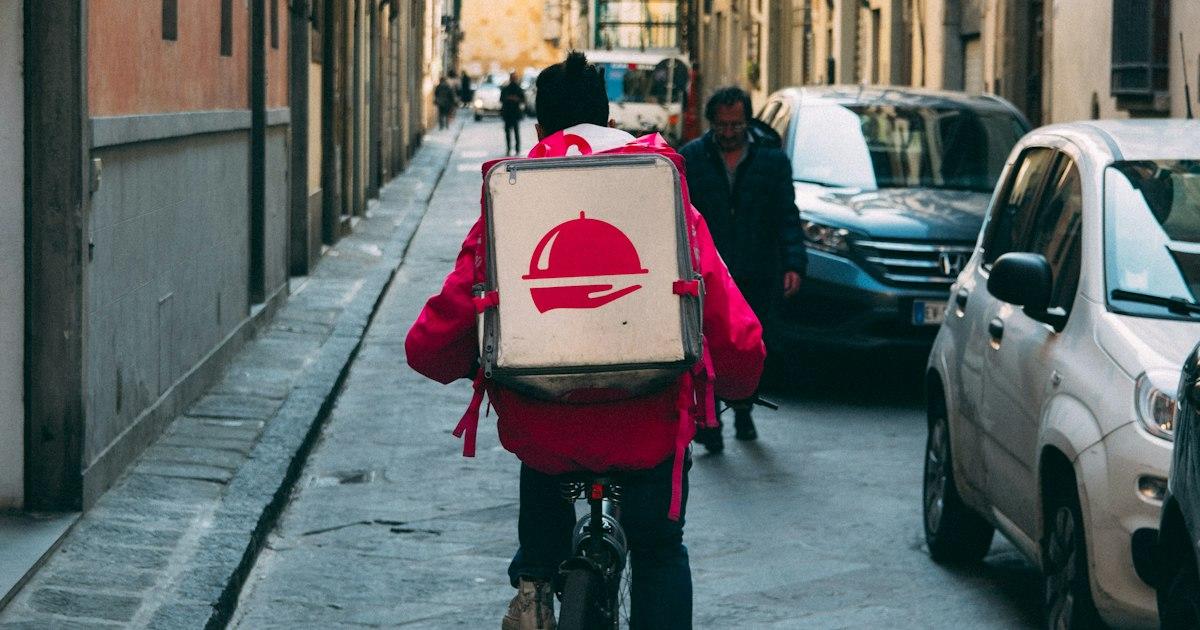
Quick commerce (q-commerce) is an eCommerce model focused on ultra-fast delivery, typically within 30 minutes of the user placing an order. Unlike traditional eCommerce, where 24-48 hour delivery is considered fast, q-commerce compresses the entire logistics chain to meet the expectation of immediacy.
The model originated in the grocery and supermarket segment but has expanded to pharmacy, convenience, consumer electronics, and even fast fashion. The proposition is simple: if the user needs something now, they should be able to receive it now — without visiting a physical store.
| Aspect | Traditional eCommerce | Quick commerce |
|---|---|---|
| Delivery time | 24-72 hours | 10-30 minutes |
| Catalog | Broad (thousands of SKUs) | Limited (1,000-3,000 SKUs) |
| Storage | Centralized logistics centers | Decentralized dark stores or micro-fulfillment |
| Coverage | National or international | 2-5 km radius per location |
| Average order value | Variable, no strict minimum | 15-35 EUR, with minimum order |
| Margin | More comfortable | Very tight, volume-dependent |
| Shopping experience | Browsing, comparison, wishlist | Quick search, impulse buying |
The fundamental difference is not just logistics: it is about user behavior. Q-commerce serves an immediate need ("I need milk now") while traditional eCommerce covers a planned purchase ("I need a new laptop").
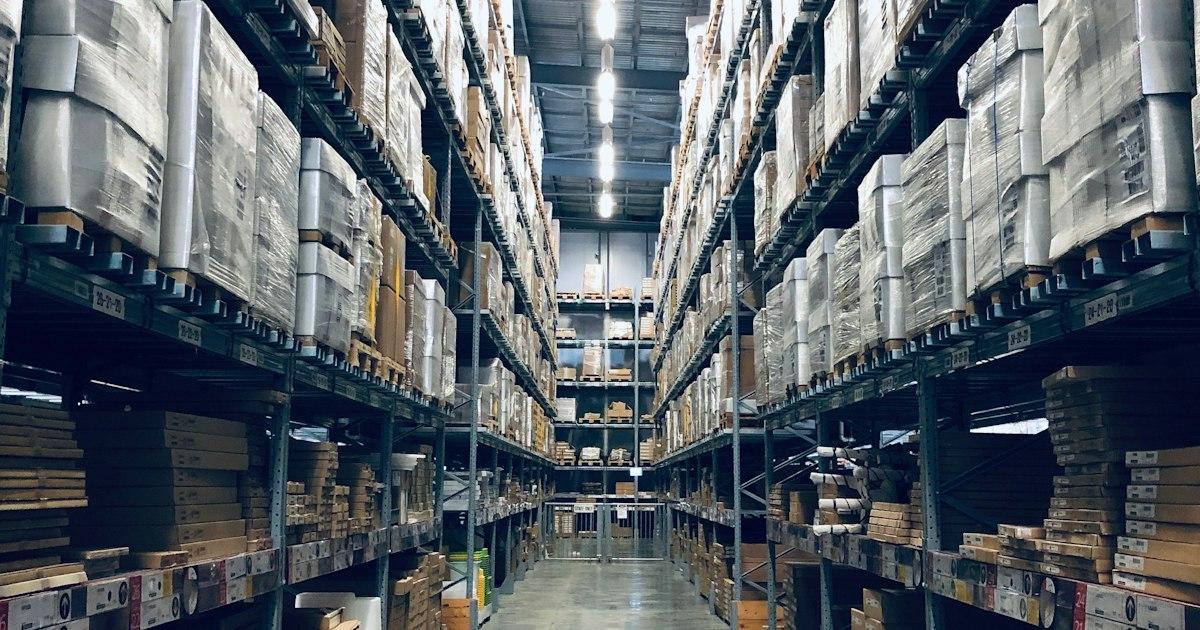
Dark stores are warehouses that look like supermarkets but are not open to the public. They are designed exclusively to prepare online orders efficiently. Their location in dense urban areas allows them to cover a short delivery radius with optimized picking times.
They are the most common model in q-commerce because they eliminate the friction of traditional retail: there are no customers browsing aisles, no checkout queues, and the layout is optimized for preparation speed, not shopping experience.
MFCs are smaller automated centers, often integrated within existing physical stores. They use robots for picking and require less staff. They are the natural evolution of dark stores for operators that already have a network of physical stores.
Carrefour, Walmart, and Ocado have been pioneers of this model, integrating MFCs into the back of their supermarkets to offer fast delivery without the cost of opening new logistics points.
Some players operate with their own riders (Gorillas, Getir), giving full control over the delivery experience. Others act as marketplaces connecting local stores with delivery fleets (Glovo, Rappi). Each model has implications for cost, quality control, and scalability.
| Player | Model | Main markets | 2026 status |
|---|---|---|---|
| Gorillas | Own dark stores | Europe (DE, UK, NL) | Merged with Getir |
| Getir | Own dark stores | Europe, Turkey | Restructured after merger |
| Glovo | Marketplace + Q-commerce | Spain, LATAM, Eastern Europe | Integrated into Delivery Hero |
| Gopuff | Own dark stores | USA | Consolidating operations |
| Rappi | Marketplace + dark stores | LATAM | Expanding turbo in MX, CO |
| Blinkit | Own dark stores | India | Profitable, accelerated growth |
| Amazon Fresh | MFCs + last mile | USA, UK, Europe | Adjusting operational model |
The market went through a major correction phase between 2023 and 2025. Many players shut down or merged after failing to find a path to profitability. The survivors have optimized their operations and focus on markets where volume justifies the infrastructure.
To assess the health of a quick commerce operation, these are the metrics that matter:
Q-commerce has raised the expectations of digital consumers. Even in categories where immediate delivery is unnecessary, users compare delivery times and penalize slow retailers.
This has direct implications for any eCommerce:
These elevated expectations are yet another reason to invest in user experience optimization and in reducing friction across the purchase funnel.
The main challenge remains unit economics. Delivering a 20 EUR order in 15 minutes has an operational cost that is hard to cover. Strategies to improve it include increasing average order value (through subscriptions and bundles), optimizing routes with AI, and reducing picking costs through automation.
Rider fleets and multiple short trips have an environmental impact. Players are migrating to electric vehicles and optimizing order batching to reduce emissions per delivery.
In several European cities, dark stores face urban planning restrictions. Rider labor regulations also vary by market and directly affect cost structures.
The clearest trend is convergence: physical stores are becoming mini dark stores, and q-commerce pure players are opening pickup points. The future is not "online vs. offline" but a unified experience where the user chooses how and when to receive their order.
Quick commerce has redefined speed expectations in digital commerce. Although the hyper-growth and cash-burning phase is behind us, the model is consolidating in markets with sufficient density. For any eCommerce, the lessons from q-commerce — speed, simplicity, tracking — are applicable regardless of whether you deliver in 15 minutes or 48 hours.
If you want to optimize your eCommerce conversion by adapting to these new consumer expectations, at Boost we help you identify and eliminate friction at every step of the funnel. Start with a free analysis at Scan&Boost.
Adrià Vidal — Boost · Conversion Rate Optimization
Chatbots can boost your ecommerce conversion when implemented well. Types, tools, metrics, and mistakes to avoid.
What dark stores are, how they work, advantages over traditional warehouses, required technology, ROI analysis, and logistics trends for 2026.
Live shopping blends entertainment and real-time purchasing. Learn how it works, which platforms to use, and which metrics to track to maximize conversion.