

estrategia-digital6 min read
Ecommerce Chatbots: Types and Best Practices
Chatbots can boost your ecommerce conversion when implemented well. Types, tools, metrics, and mistakes to avoid.
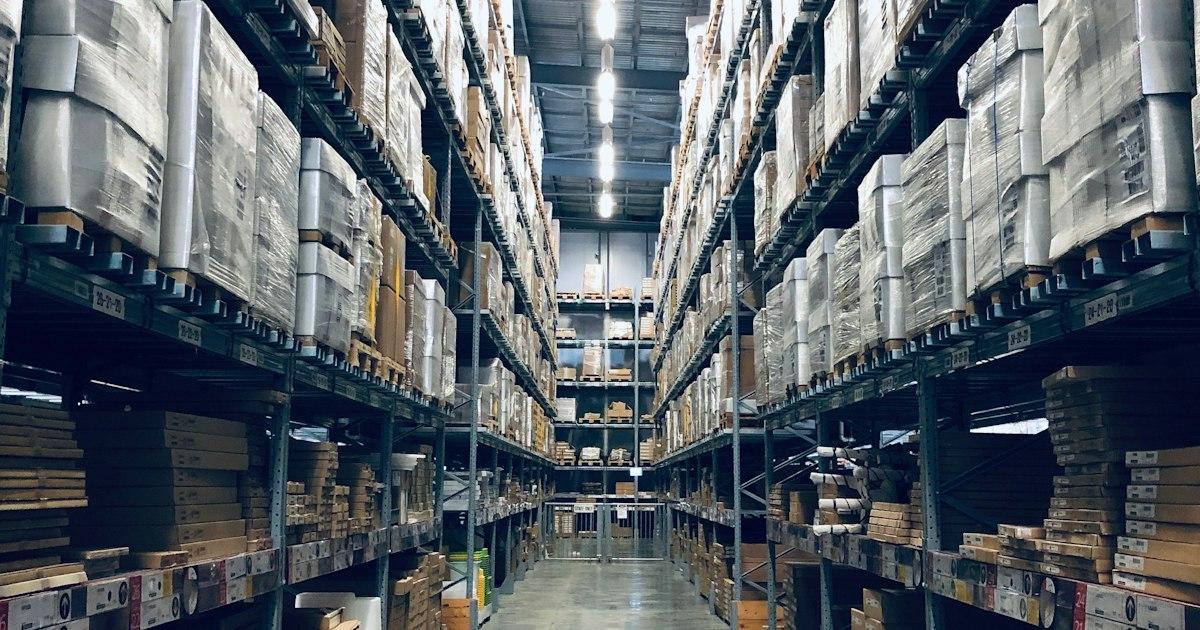
A dark store is a distribution point that looks like a supermarket or shop but is not open to the public. Its sole purpose is to prepare and dispatch online orders quickly and efficiently. They are called "dark" because they remain closed to the end customer — there are no shelves for browsing, no checkout queues, no promotional signage.
The concept originated in the grocery sector, where Tesco in the UK was a pioneer in the early 2010s. But the quick commerce boom between 2020 and 2023 multiplied the number of dark stores in cities worldwide, with players like Gorillas, Getir, and Gopuff opening hundreds of locations in dense urban areas.
Today, in 2026, the model has matured. The dark stores that survive are optimized operations that have demonstrated economic viability, not experiments funded by venture capital.
The operational flow is simple in concept but complex in execution:
The total time from the user clicking "buy" to the rider leaving with the order should be under 5-8 minutes. The remaining delivery time depends on distance and traffic.
| Aspect | Traditional warehouse | Dark store |
|---|---|---|
| Location | Industrial park, outskirts | Urban area, central |
| Floor space | 5,000 - 50,000 sqm | 200 - 800 sqm |
| SKUs | 10,000 - 100,000+ | 1,000 - 3,000 |
| Service radius | Regional or national | 2-5 km |
| Preparation time | Hours | Minutes |
| Rent per sqm | Low | High (urban area) |
| Automation | High (robots, conveyors) | Low-medium (manual picking) |
| Initial investment | High (millions EUR) | Moderate (50K-200K EUR) |
| Flexibility | Low (heavy infrastructure) | High (quick open/close) |
The dark store sacrifices volume and per-unit efficiency in exchange for proximity to the customer and delivery speed. It does not compete with an Amazon logistics center; it competes with the corner store.
The warehouse management software is the brain of the operation. It must handle real-time inventory, optimize picking routes, assign orders to pickers, and control stockouts. Solutions like Deposco, ShipHero, or Logiwa are adapted to the dark store format.
The dark store must receive orders from the retailer's app or website in real time. Latency here is critical: every second counts when you promise 15-minute deliveries. Integrations are typically via REST API or webhooks.
Routing software assigns orders to riders, optimizes routes, and manages customer communication (real-time tracking). Solutions like Onfleet, Routific, or Stuart offer APIs to integrate with the WMS.
The ROI of a dark store depends on three main variables:
A dark store needs a minimum volume of daily orders to be profitable. The figure varies depending on average order value and operating costs, but as a reference:
| Daily orders | AOV 20 EUR | AOV 35 EUR |
|---|---|---|
| <50 | Not viable | Not viable |
| 50-100 | Tight breakeven | Profitable |
| 100-200 | Profitable | Highly profitable |
| 200+ | High profitability | Scalable |
Rent is the largest fixed cost. In central areas of Madrid or Barcelona, a 400 sqm space can cost between 4,000 and 8,000 EUR/month. In Mexico City or Bogota, costs are lower but order density may be as well.
A typical dark store operates with 3-5 pickers per shift, a supervisor, and riders (own or platform-based). Labor costs represent 40-60% of total operating costs.
Monthly ROI = (Orders x AOV x Gross margin) - (Rent + Labor + Technology + Replenishment)
The key is reaching the breakeven point quickly. Successful players achieve it within 3-6 months per dark store by optimizing the catalog toward high-turnover, high-AOV products.
Dark stores are the infrastructure that enables quick commerce and ultra-fast delivery. They are not for everyone: they require demand density, impeccable operational management, and a well-calculated economic model. But for retailers operating in urban areas with high digital demand, they represent a competitive advantage that is hard to replicate with traditional logistics.
The user's digital experience — from browsing the app to delivery confirmation — is just as important as the logistics operation. If you want to optimize your digital channel's conversion, at Boost we apply data-driven CRO to maximize every order. Analyze your site for free with Scan&Boost.
Adrià Vidal — Boost · Conversion Rate Optimization
Chatbots can boost your ecommerce conversion when implemented well. Types, tools, metrics, and mistakes to avoid.
Live shopping blends entertainment and real-time purchasing. Learn how it works, which platforms to use, and which metrics to track to maximize conversion.
A B2B marketplace connects buying and selling businesses on a digital platform. Models, leading platforms, and keys to optimizing conversion.