

optimizacion-conversion6 min read
Affiliate Marketing: What It Is and How It Works
What affiliate marketing is, how it works, commission models (CPA, CPS, CPL), top platforms, pros, cons and how to measure conversion.
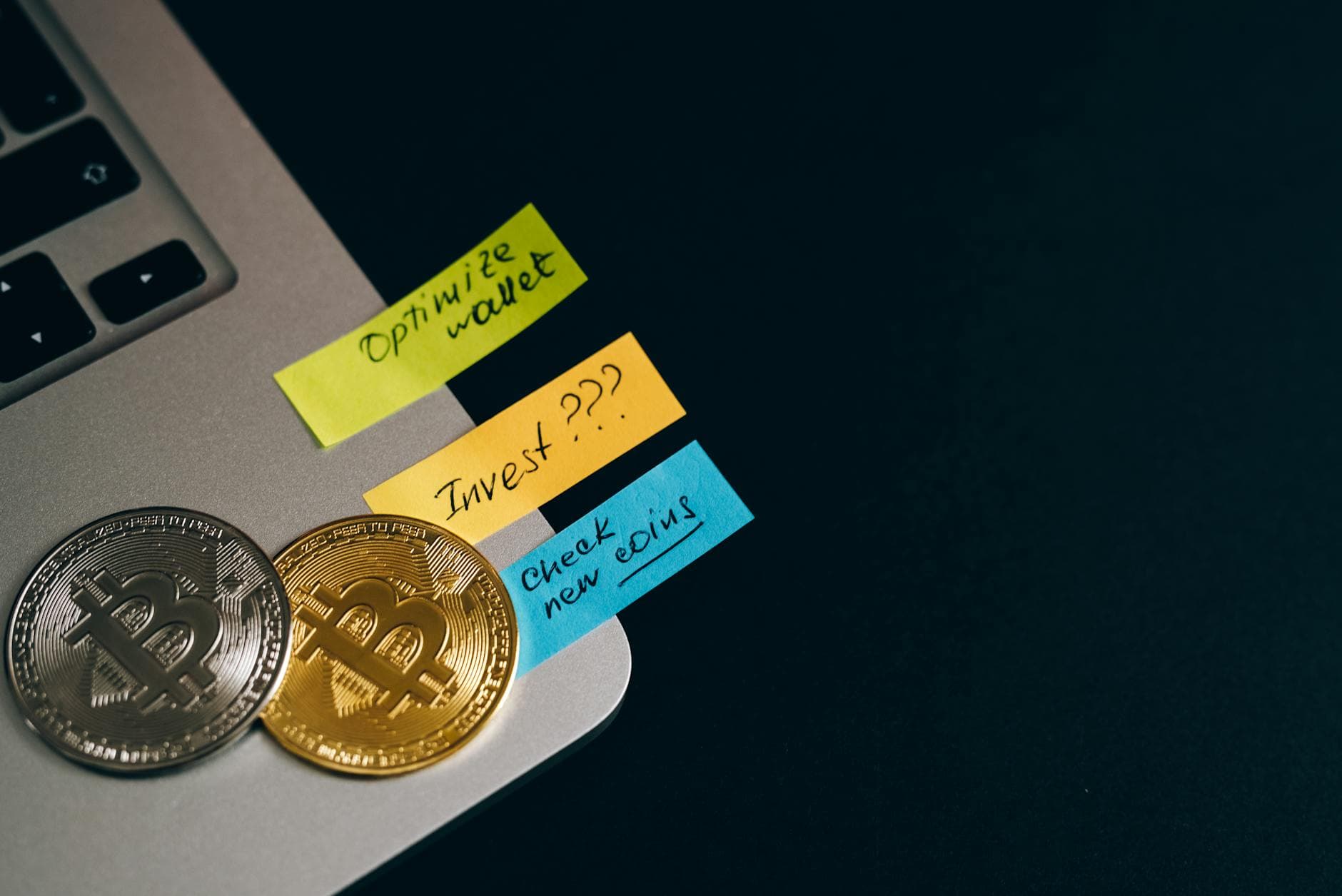
When you discover that less is more and that using a sledgehammer to crack a nut is a bad idea, your online business will likely start gaining real momentum. Learn how to get the most out of your time, effort and money by investing in conversion improvement strategies.
Sometimes you look at your competitors and think: "I want to communicate like that too", or "I envy their website — I wish mine looked like that." They are doing well and, of course, you do not want to be left behind.
So you say, I am going to invest in fixing my website. I will hire a web designer to give it a complete visual overhaul from top to bottom. Make it look really beautiful and professional. Because if it catches the eye, people will probably buy more.
And then, after making that huge investment, you see that you still do not have the sales you expected. Days, weeks, months go by. No change. Desperation sets in.
You try to convince yourself that there is a lot of competition — that is normal. And some digital guru tells you that you need to spend a few more euros and invest in advertising.
Because you need to get your name out there.
Because more traffic equals more sales. Can't fail.
You cannot argue with that logic.
Of course, you reach for your wallet again.
After what it cost you to redesign your website, you need to try to attract more customers.
After a few weeks with several advertising campaigns running, you have increased visitor traffic to your website. That is good.
But sales still are not growing proportionally. That is bad. Very bad.
This fictional story is the daily reality for many brands and businesses. They invest large sums of money in visually improving their website and then invest in advertising — expense on top of expense, with very little or zero return.
What do you need to do to stop investing and seeing no return? In this article we are going to give you our most honest opinion and a few tricks to help you stop using a sledgehammer to crack a nut.
It is clear that in the digital age we live in, having a quality online presence is key to the success of any business.
We all know this. And just in case you forget, every day on LinkedIn there are 1,000 posts reminding you. And hundreds of digital gurus inviting you to invest in their masterclass for successful communication that will make you lots of money.
Tip number one: ignore them. At least for now, in this initial phase.
Because before investing money in redesigning your logo, creating an automated email sequence or posting every day on LinkedIn, you need to have a solid foundation on your website.
A solid foundation that helps convert into sales all the traffic you attract from all your channels.
It is important to focus all your efforts on improving user experience and conversion on your website.
EXPERIENCE and CONVERSION.
Burn that into your mind.
Without that, all the effort, time and money you invest will be worthless.
A website conversion improvement strategy aims to identify and fix the problems that are preventing you from selling well.
This is done by thoroughly and precisely analysing the entire site to detect the problem areas that may be stopping your visitors from converting into customers.
To do this as effectively as possible, we always recommend getting help from web conversion experts. We are not just saying this because that is what we do — it is the plain truth.
This type of analysis requires specialised software and deep expertise in the subject. But the story does not end there. Once the improvement areas have been identified, tests and experiments need to be run to evaluate the best solution with data.
It is not easy or quick. But the results will be very much worth it. And so will the investment.
To explain it with more precise information, one of the most effective ways to identify problems on a website is through:
Usability testing and user experience (UX) assessments. These tests can uncover navigation, design, content, performance and other issues. The best part is that, based on the results of these tests, improvements can be implemented that are 100% targeted at solving the problems identified.
Improving key conversion points on a website, such as contact forms, shopping cart or confirmation buttons. Simplifying conversion processes, removing unnecessary obstacles and providing clear visual elements will mark a clear before and after.
Using analytics tools, such as Google Analytics, which let you monitor and analyse the behaviour of users visiting your website. This is very useful for identifying pages or sections that attract the most traffic and conversions. That way, specific and fully personalised improvements can also be applied to maximise your conversion rate.
Imagine you are a company selling electronic components online. You have decent traffic, but you are not generating many sales conversions.
Instead of investing in advertising or a complete website redesign, you decide to invest in improving conversion on your existing website.
You hire a conversion specialist consultancy, like ours (wink, wink), and they run usability and customer experience tests to detect problem areas on the site.
They discover that many visitors are dropping off on the product detail page and in the payment process because the purchase process is overly complex and there is no clear information about shipping and return policies.
Based on these results, they implement improvements in the specific problem areas, such as simplifying the purchase process and adding clear information about shipping and return policies. They also take the opportunity to add visual elements to product pages to make the information simpler and easier to understand visually.
The consultancy also reviews visitor behaviour on your website and identifies the pages with the highest traffic and conversions. Using these results, they implement additional improvements to maximise conversion and improve the pages with the most difficulties.
Finally, the consultancy helps you optimise your website's content to make it more engaging and improve your search engine rankings (SEO), and also helps you create relevant content to motivate your customers (for example, helping you create content for your blog or sales pages).
With these improvements, you will not only improve your current website's conversion rate — you will also achieve a much higher return on investment compared to spending on advertising or a complete redesign.
Have any questions come up, or do you think improving your website's conversion could interest you? Contact us with no commitment to see if we can help. And if you want to understand why you should invest in a specialist consultancy, you can find out here.
What affiliate marketing is, how it works, commission models (CPA, CPS, CPL), top platforms, pros, cons and how to measure conversion.
What Apple Search Ads is, campaign types (Basic and Advanced), key metrics, relationship with ASO, real costs and when it makes sense vs. Google Ads.
What a CSS partner is in Google Shopping, how the CSS program works, CPC savings advantages, how to choose a provider and its impact on conversion.