

analitica-digital5 min read
Eye Tracking in Marketing: Where Your User Looks
Eye tracking shows you exactly where users look on your website. Learn how to use it to improve user experience and increase conversions.

Measuring data is crucial if you run an online business, no matter how much you try to ignore it. Experience and intuition matter, but in the end the numbers do the talking. They will show you whether you are on the right track and point you in the direction you need to improve and understand what needs to change.
In 2014, Universal Analytics was born — Google's comprehensive, free tool designed to measure the performance and operation of your website simply by inserting a JavaScript snippet or using the Tag Manager plugin for WordPress. It was the most well-known and probably the most widely used, but that did not make it infallible. It did have a few weak points: its complexity made it somewhat difficult to understand at times, it collected visitor information for commercial purposes, and in some cases it could slow down your site.
Google Analytics 4 (GA4) is now Google's web analytics offering. What is the difference? In this article we cover the 10 differences between Universal Analytics and Google Analytics 4, but one of the key ones is that GA4 is more focused on event measurement and analysing user behaviour and actions rather than page views and sessions, offering a more cross-cutting, global view.
If you are curious and exploring alternatives to Google Analytics 4, you are in luck. There are many alternatives — some free, some not — that can perform a very similar function and may better match your specific needs.
Here are the 10 best alternatives to Google Analytics 4 available on the market right now that can help you measure your website.
We have listed them alphabetically. If you feel a tool is missing, feel free to send it our way and we will happily share it.
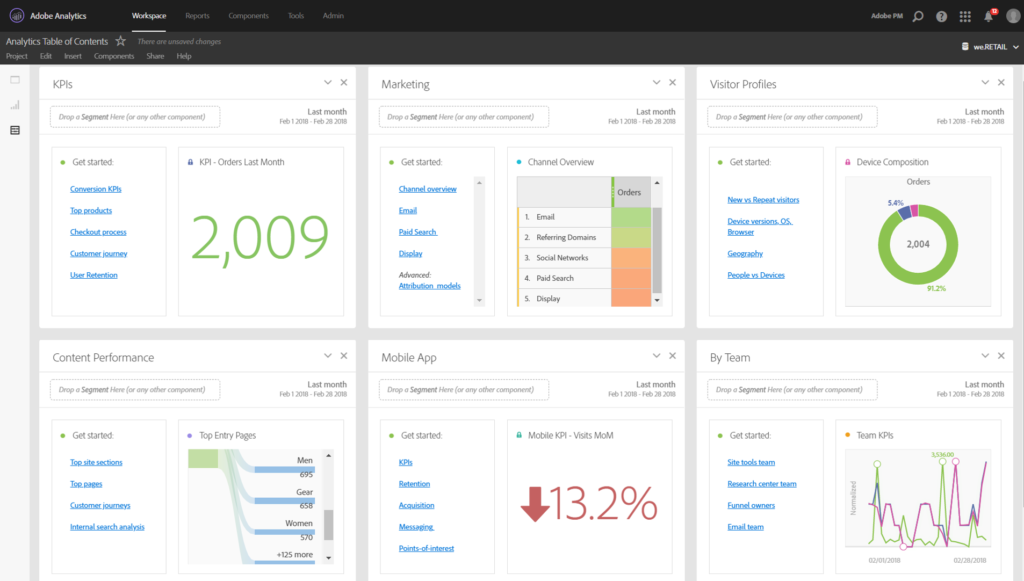
Adobe Analytics is part of the Adobe Marketing Cloud suite and integrates with other Adobe products such as Adobe Audience Manager, Adobe Target and Adobe Campaign. It is highly versatile, enabling data collection from multiple sources — from websites to mobile apps — while complying with privacy regulations such as GDPR and CCPA. It offers an interactive panel for analysts and marketers, making it easy to create segments, algorithm-based alerts and visualisations. It also supports the integration of CRM data and other business sources, with extended storage options and reporting capabilities.
Amplitude Analytics, from Amplitude, Inc., offers a deep understanding of how customers interact with your products. It facilitates cross-team collaboration and surfaces important behaviours and experiences. It offers a free plan with a generous set of features.
Contentsquare is a SaaS solution for user experience (UX) analysis that helps you understand how users interact with apps, devices and websites. It offers customisable measurements for areas such as marketing, eCommerce, UX/UI design, operations and IT. It integrates without the need for third-party cookies and helps you prioritise tasks and understand visitor behaviour.
Comscore is an interesting tool for measuring audiences, brands and consumer behaviour across multiple channels. It offers audience metrics, advanced insights, demographic profiles and behavioural analysis across search, apps and more.
Fathom is an alternative that analyses web pages without using cookies. It integrates easily with various content management tools and offers metrics such as unique visitors, page views and more, with flexible monthly plans and free trials.
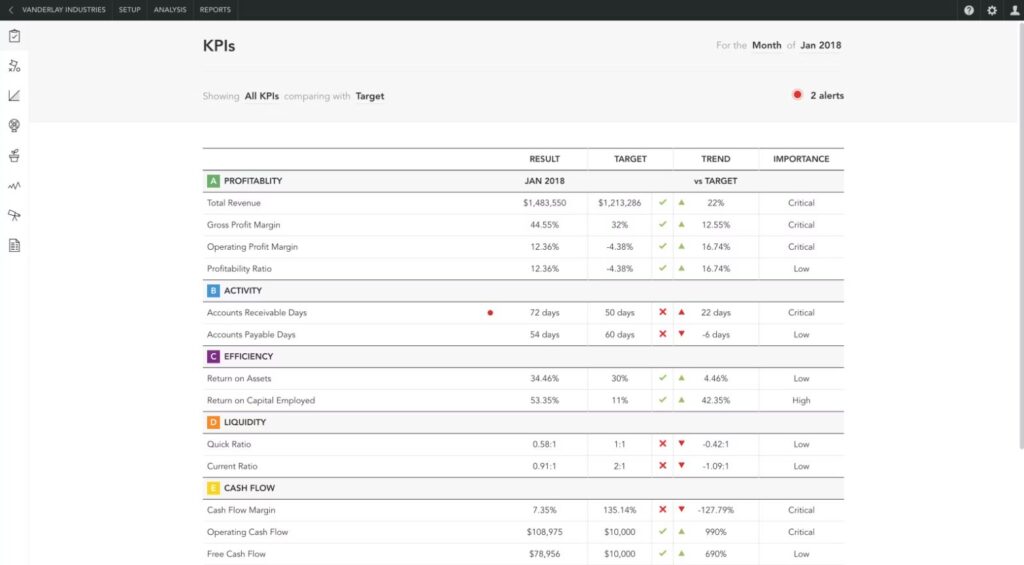
Kissmetrics offers specific solutions for SaaS and eCommerce, showing which features drive conversions and the value of "big spenders". It integrates with Shopify, optimises payment funnels and provides metrics such as total sales, average revenue per person and more.
Matomo is open-source software that provides detailed data on visitors, languages, pages visited and more. It offers paid plans with additional features and is used on websites all over the world.
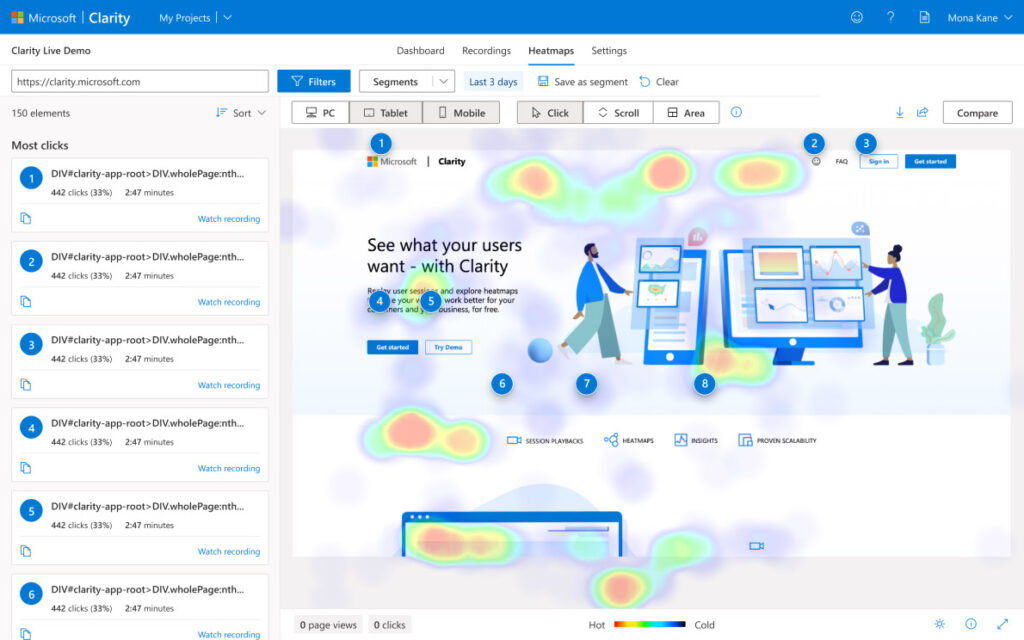
Microsoft Clarity is an open-source tool that lets you analyse user behaviour on websites, with features such as session recordings and heatmaps. It integrates with Google Analytics and is completely free with no limitations.
Mixpanel allows you to analyse real-time user interactions on mobile and web applications, in compliance with GDPR. It offers interactive reports, trend analysis, conversion funnels and more, with a free plan and paid options.
Nielsen offers global measurement and data analysis solutions on consumers and markets. Its services focus on audience measurement, media planning, marketing optimisation and content metadata, with free reports available.
Good question, difficult answer. The truth is that it all depends on your analytics needs. The most important thing is to understand that measuring and analysing data is essential for the success of your online business, regardless of which tool you use.
From there, keep in mind that while Google Analytics 4 is a popular choice, these 10 alternatives offer a variety of features and approaches that may suit your needs better. If you feel you do not know where to start, contact us and we can advise you and help you achieve your business goals.
Also, if you are currently using Universal Analytics and want to make the transition to Google Analytics 4 (GA4) but are not sure why you should switch to GA4 right now or how, we can help you with that too.
Eye tracking shows you exactly where users look on your website. Learn how to use it to improve user experience and increase conversions.
Discover what a data-driven strategy is, what it means to be a data-oriented company, and how to implement it step by step using tools like GA4,...
Don't trust your data? Discover what to review in your digital analytics audit to successfully start doing CRO. Introducing Scan&Boost: your complete...