

optimizacion-conversion5 min read
BNPL: Buy Now Pay Later for ecommerce
Deferred payment reduces cart abandonment by up to 20%. Discover how to implement BNPL in your store and when it actually makes sense.
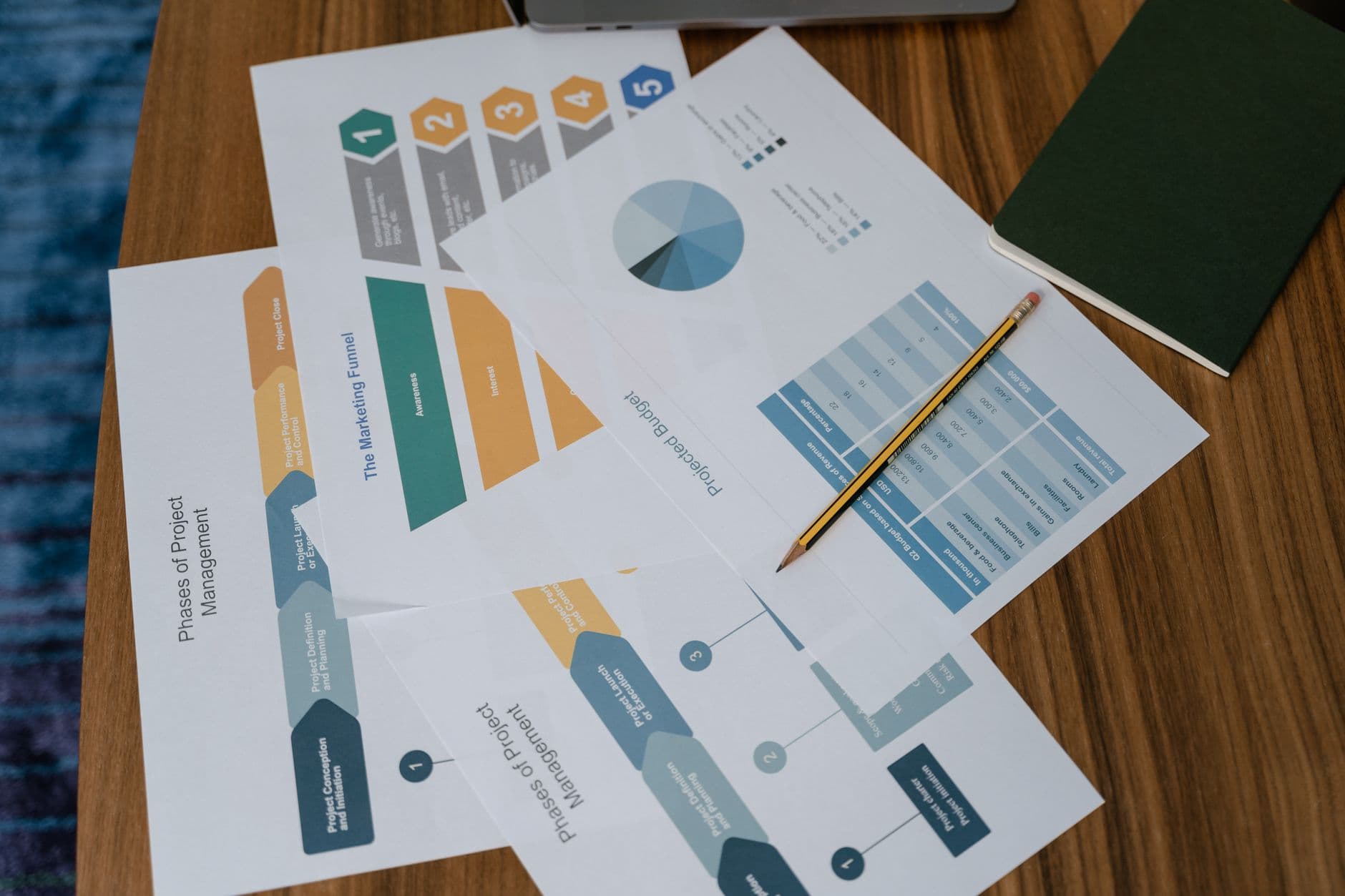
Inbound marketing is a methodology that attracts potential customers to your business through relevant content, personalised experiences, and real value, rather than chasing them with intrusive advertising.
The core idea is simple: if you create content that solves your audience's real problems, that audience will find you, trust you, and eventually buy your product or service. Instead of interrupting the user with an ad, you offer them exactly the information they are looking for at the moment they need it.
The term was popularised by HubSpot in 2006, but the concept is older: it is based on attraction marketing, content marketing, and building long-term relationships with customers.
| Aspect | Inbound marketing | Outbound marketing |
|---|---|---|
| Approach | Attract the user with value | Interrupt the user with messages |
| Channels | Blog, SEO, social media, email | Advertising, cold calling, trade shows |
| Cost per lead | 61% lower than outbound | Higher, especially in mature markets |
| Scalability | Content accumulates value over time | Proportional to investment |
| Trust | Built gradually | Requires repetition and frequency |
| Measurement | Highly measurable (analytics, CRM) | Harder to attribute |
Inbound does not replace outbound: it complements it. Most successful businesses combine both, but inbound generates a cumulative asset (content, authority, SEO) that continues producing results without additional investment.
The goal is to drive qualified traffic to your website. Not just any traffic: people who have the problem your product solves.
Key tools:
Metrics: organic traffic, traffic by channel, new sessions, time on page.
Once the visitor is on your website, the goal is to convert them into a lead: obtain their contact information in exchange for something of value.
Key tools:
Metrics: visitor-to-lead conversion rate, leads by channel, cost per lead.
This is where CRO has the greatest impact on inbound. A 1% increase in your landing page conversion rate can mean hundreds of additional leads per month with the same traffic.
Convert leads into customers. Not all leads are ready to buy immediately: lead nurturing accompanies them until they are.
Key tools:
Metrics: lead-to-customer conversion rate, time to close, average customer value.
An existing customer is between 5 and 25 times cheaper to retain than acquiring a new one. The delight phase seeks to turn customers into promoters.
Key tools:
Metrics: NPS, retention rate, LTV, referral rate.
| Funnel stage | User state | Ideal content | Key CRO action |
|---|---|---|---|
| TOFU (Top) | Unaware they have a problem | Blog posts, infographics, educational videos | Optimise headlines and subscription CTAs |
| MOFU (Middle) | Researching solutions | Ebooks, webinars, comparisons, templates | A/B testing on lead magnet landing pages |
| BOFU (Bottom) | Ready to decide | Demos, case studies, free trials | Reduce friction in forms and checkout |
| Post-sale | Active customer | Onboarding, advanced guides, community | Optimise onboarding and upsell flow |
The most common mistake is creating content only for the top of the funnel (TOFU). If you generate thousands of visits but have no conversion content (MOFU and BOFU), traffic does not translate into business.
Inbound marketing generates traffic and leads. CRO maximises how many of those visitors and leads become customers. They are complementary disciplines that reinforce each other.
Real example:
A marketing blog generates 50,000 monthly visits with a lead conversion rate of 1.5% = 750 leads/month.
If you optimise the blog CTAs, landing pages, and forms and raise conversion to 2.5%, with the same traffic you generate 1,250 leads/month. That is 500 additional leads without investing a single euro more in content or advertising.
Applied to the full funnel:
| Metric | Before CRO | After CRO | Impact |
|---|---|---|---|
| Monthly traffic | 50,000 | 50,000 | Same traffic |
| Lead conversion | 1.5% | 2.5% | +67% |
| Leads/month | 750 | 1,250 | +500 leads |
| Lead-to-customer conversion | 5% | 7% | +40% |
| Customers/month | 37 | 87 | +135% |
CRO is not a separate phase of inbound: it is the optimisation layer that makes every phase work better.
Publishing "interesting" content without researching what your audience searches for is like opening a shop on a street with no foot traffic. Every content piece should answer a real search with sufficient volume.
If your blog receives traffic but offers nothing in exchange for an email, you are wasting visits. Every article should have at least one CTA that leads to a downloadable resource or a conversion landing page.
Sending the same emails to all leads is inefficient. Segment by behaviour (what content they consumed, which pages they visited) and personalise the sequences.
Many teams measure traffic and leads but do not connect that data to actual sales. Without that visibility, it is impossible to know which content generates business and which only generates vanity metrics.
Inbound does not end with the sale. Satisfied customers are the best acquisition channel: their referrals have a CAC close to zero and an LTV above average.
Inbound marketing is a medium-term investment that builds a permanent acquisition asset. Combined with CRO, it becomes the most efficient growth engine a digital business can have.
To discover what conversion opportunities you are missing in your inbound funnel, start with a free audit at Scan&Boost.
If you want a strategic analysis of your full funnel and a data-driven optimisation plan, discover our CRO agency service.
Adrià Vidal is the founder of Boost. +1,000 optimisation actions, +47.8% average conversion increase per client, +7.8M EUR in additional revenue generated.
Deferred payment reduces cart abandonment by up to 20%. Discover how to implement BNPL in your store and when it actually makes sense.
A well-designed popup at the moment of exit can recover between 15% and 30% of the revenue you were about to lose. Here's how to do it right.
CRO explained for executives: why to optimize before investing in traffic, which metrics to track, how to evaluate an agency and a sample ROI case.

