
optimizacion-conversion6 min read
Affiliate Marketing: What It Is and How It Works
What affiliate marketing is, how it works, commission models (CPA, CPS, CPL), top platforms, pros, cons and how to measure conversion.
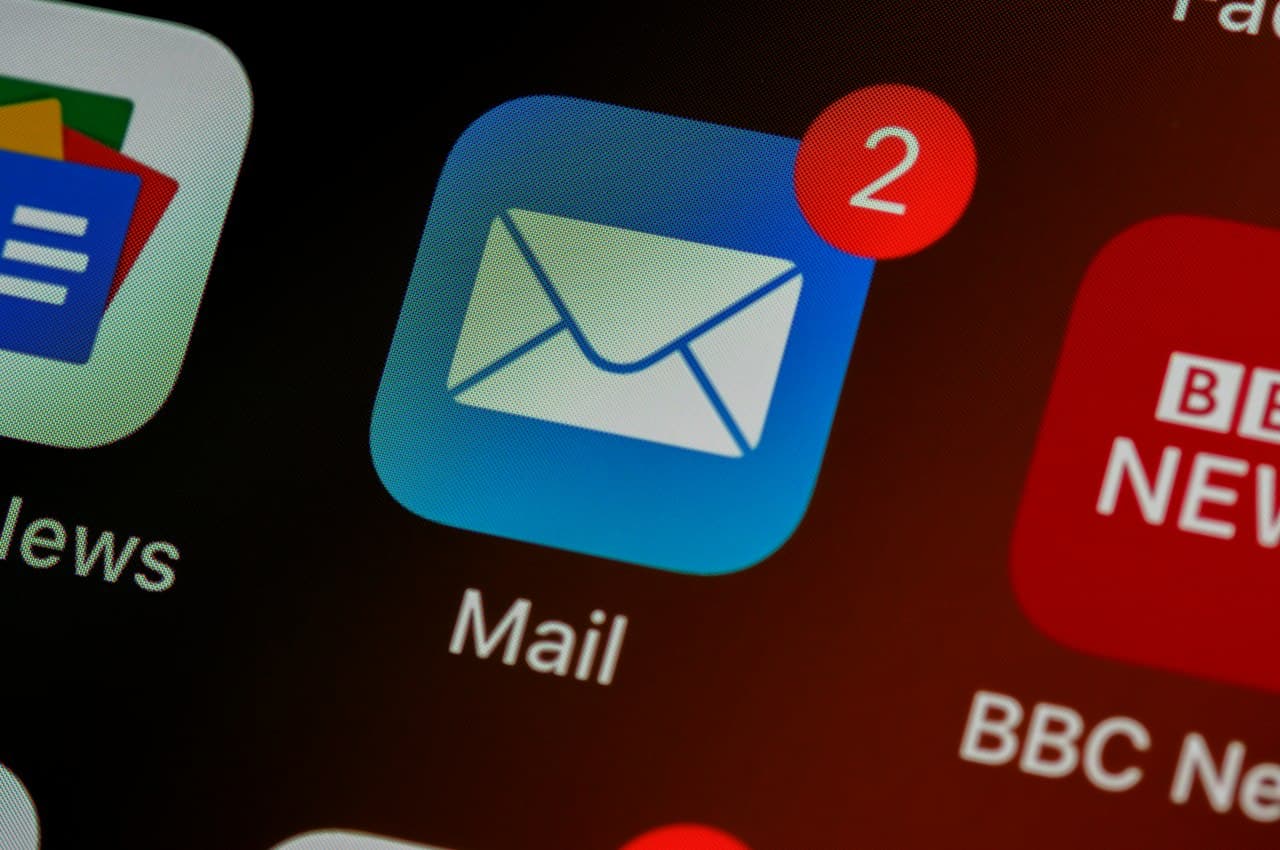
Welcome emails have an average open rate of 50-60%, compared to 20-25% for standard marketing emails (GetResponse, 2025). It's arguably the highest-impact email in your entire strategy.
And yet, many companies treat it as a formality: a generic "thanks for signing up" message that wastes the moment of highest user attention. This article explains how to turn that first contact into a real conversion lever.
A welcome email is the first automated message a user receives after signing up, subscribing to a newsletter, creating an account or making their first purchase. It's the beginning of the digital relationship between your brand and the user.
It's not just an acknowledgment. It's a statement of intent: you tell the user what to expect from you, reinforce the decision they just made and guide them toward the next step.
The moment immediately after a sign-up is when the user has the highest engagement with your brand. They've just invested time and attention to give you their data. If you don't capitalize on that moment, you lose an opportunity that won't come back with the same intensity.
| Metric | Welcome email | Standard marketing email |
|---|---|---|
| Open rate | 50-60% | 20-25% |
| Click-through rate | 25-30% | 2-5% |
| Revenue per email | 3x more than promotional emails | Baseline |
| Unsubscribe rate | <0.5% | 0.5-1% |
Sources: GetResponse 2025, Omnisend 2025, Klaviyo Benchmarks.
These numbers don't lie: the welcome email is the best-performing email in your entire strategy. Treating it as a generic transactional message means wasting your best opportunity.
The subject line determines whether the email gets opened or ignored. It should be clear, direct and aligned with the user's expectations.
Examples that work:
What to avoid:
Personalized whenever possible. Using the user's name increases engagement by 26% according to Campaign Monitor.
Remind the user why they signed up. What will they get? What problem are you going to solve? Don't assume they remember — they may have signed up hours ago and visited 20 other websites since.
One clear CTA. Not three. Not five. One. The most important next step you want the user to take:
Include social proof, guarantees or credentials that reduce friction:
Tell the user what they'll receive and how often. This reduces future unsubscribes and establishes an implicit communication contract.
A cosmetics ecommerce sends a welcome email with a 15% discount code valid for 48 hours. The subject line reads: "Your 15% welcome offer expires in 48h". The CTA is direct: "Shop now with your discount". Result: email conversion rate of 8.3%, compared to 1.2% for standard promotional emails.
A project management SaaS platform sends a welcome email with 3 steps to get started: create the first project, invite the team and connect tools. Each step has a button linking directly to the action within the app. Result: users who complete all 3 steps within the first 24 hours have 4x higher 30-day retention.
A digital media outlet sends a welcome email featuring its 5 most-read articles of the month and an invitation to join their Telegram channel for exclusive content. Result: 40% of new subscribers click on at least one article, compared to 12% for the weekly newsletter.
It's not enough to send the email and forget about it. These are the key metrics for evaluating and optimizing your welcome email:
The percentage of recipients who open the email. If it's below 40%, review your subject line, sender name and send time.
The percentage of opens that generate a click. If it's below 15%, your CTA isn't clear enough or your value proposition isn't connecting.
The percentage of users who complete the target action after clicking. If CTR is high but conversion is low, the problem is the landing page, not the email.
How long the user takes to complete the first desired action (purchase, activation, etc.) after receiving the welcome email. This data helps you calibrate the urgency of your message.
The revenue attributed to each send of the welcome email. Essential for justifying investment in channel optimization.
The welcome email must be sent immediately after sign-up. Every minute of delay reduces the open rate. If your platform doesn't support instant sending, you have an infrastructure problem that needs fixing.
The welcome email rarely stands alone. A typical sequence includes 3-5 emails over the first 7-14 days:
| Timing | Goal | |
|---|---|---|
| Email 1 (welcome) | Immediate | Reinforce value proposition + main CTA |
| Email 2 (education) | 24-48h later | Teach how to use the product/service |
| Email 3 (social proof) | 4-5 days | Case studies, testimonials |
| Email 4 (incentive) | 7 days | Special offer if they haven't converted |
| Email 5 (feedback) | 10-14 days | Ask about experience, NPS survey |
Given the high volume of sends and high open rate, the welcome email is the perfect candidate for A/B testing. Test variations of:
The welcome email is much more than a courtesy gesture. It's the moment of highest user receptivity and, when done right, it can define the entire relationship that follows. Treat it with the importance it deserves.
If you want to optimize not just your emails but your entire website's conversion experience, at Boost we can help. And if you prefer to start with a quick diagnostic, try Scan&Boost.
— Adrià Vidal
What affiliate marketing is, how it works, commission models (CPA, CPS, CPL), top platforms, pros, cons and how to measure conversion.
What Apple Search Ads is, campaign types (Basic and Advanced), key metrics, relationship with ASO, real costs and when it makes sense vs. Google Ads.
What a CSS partner is in Google Shopping, how the CSS program works, CPC savings advantages, how to choose a provider and its impact on conversion.