

estrategia-data-driven4 min read
Digital Marketing Agency: How to Choose Without Regrets
What to look for in a digital marketing agency, what services it should offer, red flags and why conversion is the metric that matters most.
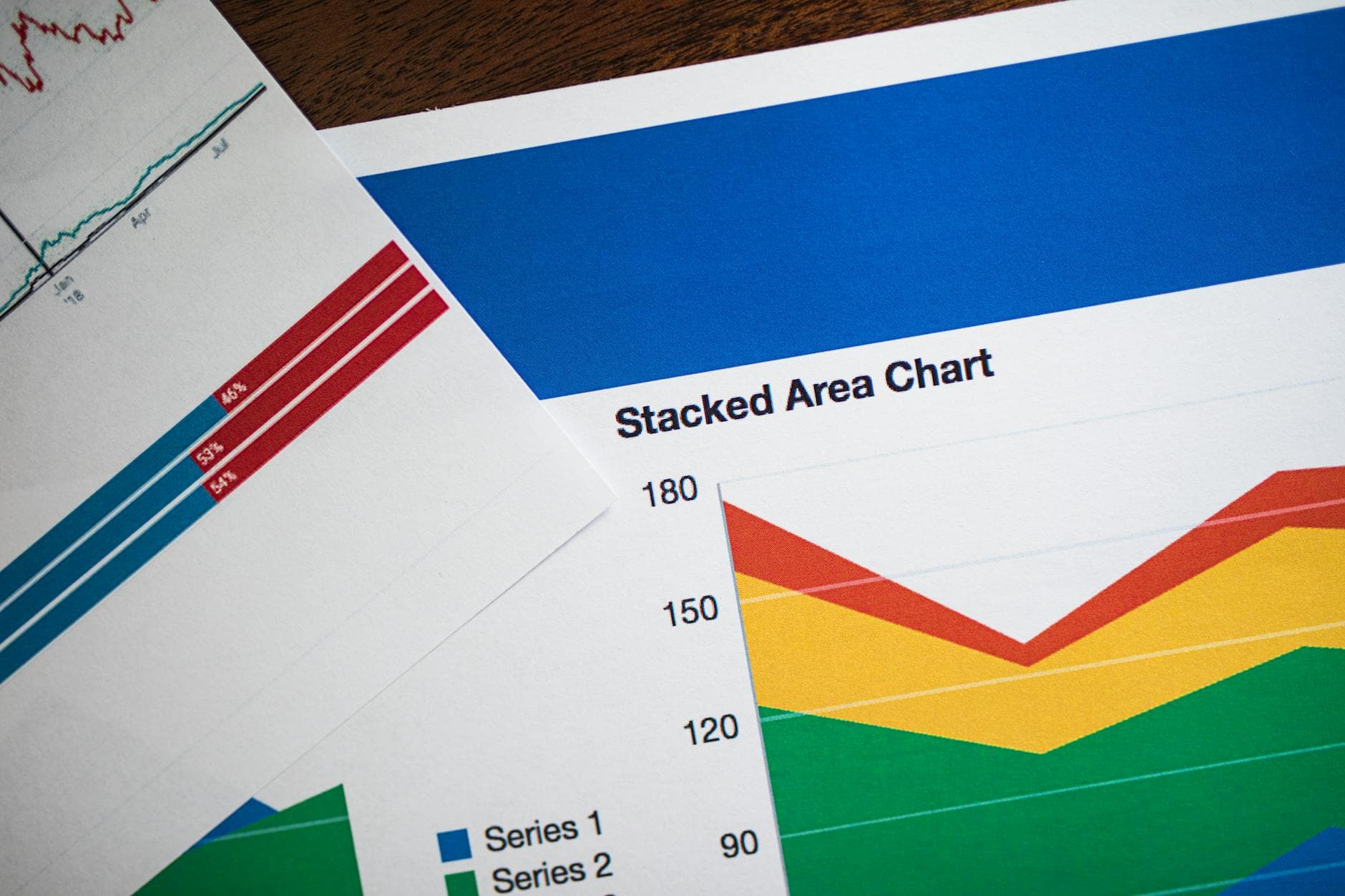
In the world of digital business, the key to success often lies not in decisions that have a direct and measurable impact on online sales. Many times, the key is in what you can't see. In the opportunities that slip by due to poor data quality.
All those opportunities that pass unnoticed in front of us are often the very ones we should be chasing. But for some reason, they get away from us. There's something we're not able to see that turns them into missed opportunities.
That something often comes down to your data. In fact, poor data quality can cost any digital business between 15% and 25% of its revenue. In other words, bad analytics could be causing you to miss out on a quarter of your business's sales potential. That's serious.
But… why? How can poor data quality have such a direct and significant impact on a business's results? What are those opportunities we're letting slip by without realising it? That's exactly what we're here to clarify in this article. Today we're talking about the real cost of poor data quality for your digital business.
Information is power. We'll never get tired of repeating it. But sometimes, the information we have isn't what we need. Or at least, we don't know how to use it in a way that's useful for our business. And all of that stems from poor data quality.
Data, in and of itself, is never poor quality. All the information you correctly obtain from your activity, your sales or your users is useful and valid. The problem lies in the way you collect, store, integrate and use that data in your day-to-day operations.
Thanks to your data, your business can survive in such an uncertain environment as the current one, and from it will depend whether you make the right decisions to succeed. Good analytics that lets you understand what's happening in your business at all times will also enable you to be more strategic in your daily work and get ahead of important trends and changes.
And poor data quality can have exactly the opposite consequences: little visibility into what's happening in your business, bad decisions, and a negative impact on your financial results.
Although they may seem harmless, your data has a great deal to say about the success of your business. Perhaps not directly (it won't directly sabotage what you do), but indirectly. Because those opportunities we mentioned earlier are hiding in your data. Here's what you're missing:
Your time and your team's time is worth gold. It may sound like a cliché, but in such a competitive environment as today's, it's a reality. Every minute you invest in a task like sorting and analysing your data can be a golden minute. A minute that changes the direction of your business.
Poor data quality means more time cleaning it and checking it's correct, more time integrating it and verifying it's consistent, and above all, more time analysing it. In short: more time invested in tasks that should be practically automatic.
Having quality analytics is key to making better decisions for your business. All the time you spend sorting out your data can instead be used to conduct quality analysis and identify trends and opportunities for your business.
Every self-respecting digital strategy must meet 3 requirements: be agile, be precise, and be reliable. Without these 3 pillars, any decision you make in your business becomes a leap into the unknown (and potentially a bad move for your results).
When your data and analytics are not of quality, it's easy to lose your way. It's practically impossible to make decisions in advance, be confident about the impact of those decisions, or react quickly to unexpected events or poor results.
When you know you can trust your data, it's easier to design a plan to follow in the coming months. Your digital business strategy becomes a data-driven roadmap with enough information to evolve at the pace of your business.
The behaviour and preferences of your customers are often a genuine mystery. But there is certain data that can help shed some light on that gap known as the customer journey: purchase signals.
Purchase signals are data points that, if you know how to listen to them, help you identify those potential moments of purchase or conversion by your customers. Shifts in your metrics or results that, used correctly, you can leverage to increase your sales.
The problem? With poor data quality, purchase signals go completely unnoticed. If your metrics, data sources or the reliability of that data are unclear, how can you know whether what you're seeing is a purchase signal?
Knowing how to identify purchase signals means guaranteed success for your business. Say, for example, you can know with certainty that a potential customer has visited your website 3 times. If you know that, you know there's intent. And if there's intent, it might be a good time to send them a personalised incentive.
To sell more, you need to aim more accurately. With good data analytics, you'll know when, how and at whom to direct your different initiatives to boost your results.
Evaluate your data quality with Boost and start investing in opportunities for your business
Do you want to know how much it's costing you not to have good analytics in your digital business? We can help. The first step to saving time, improving your strategic decisions and identifying the right purchase signals is stopping to analyse the state of your data.
Your data quality won't change overnight. But with the key initiatives to improve collection, attribution, integration and analysis of that data, you can build quality, fully reliable analytics.
You can start by reaching out to us and telling us more about your data. That way we can start putting things in order and turning your data into decisions that impact your business.
What to look for in a digital marketing agency, what services it should offer, red flags and why conversion is the metric that matters most.
Everything you need to know before hiring an SEM agency: services, pricing, real metrics and how to ensure every euro in ads generates a return.
What to expect from a social media agency, how to measure the real ROI of social media and why likes don't pay the bills.