

optimizacion-conversion6 min read
Affiliate Marketing: What It Is and How It Works
What affiliate marketing is, how it works, commission models (CPA, CPS, CPL), top platforms, pros, cons and how to measure conversion.
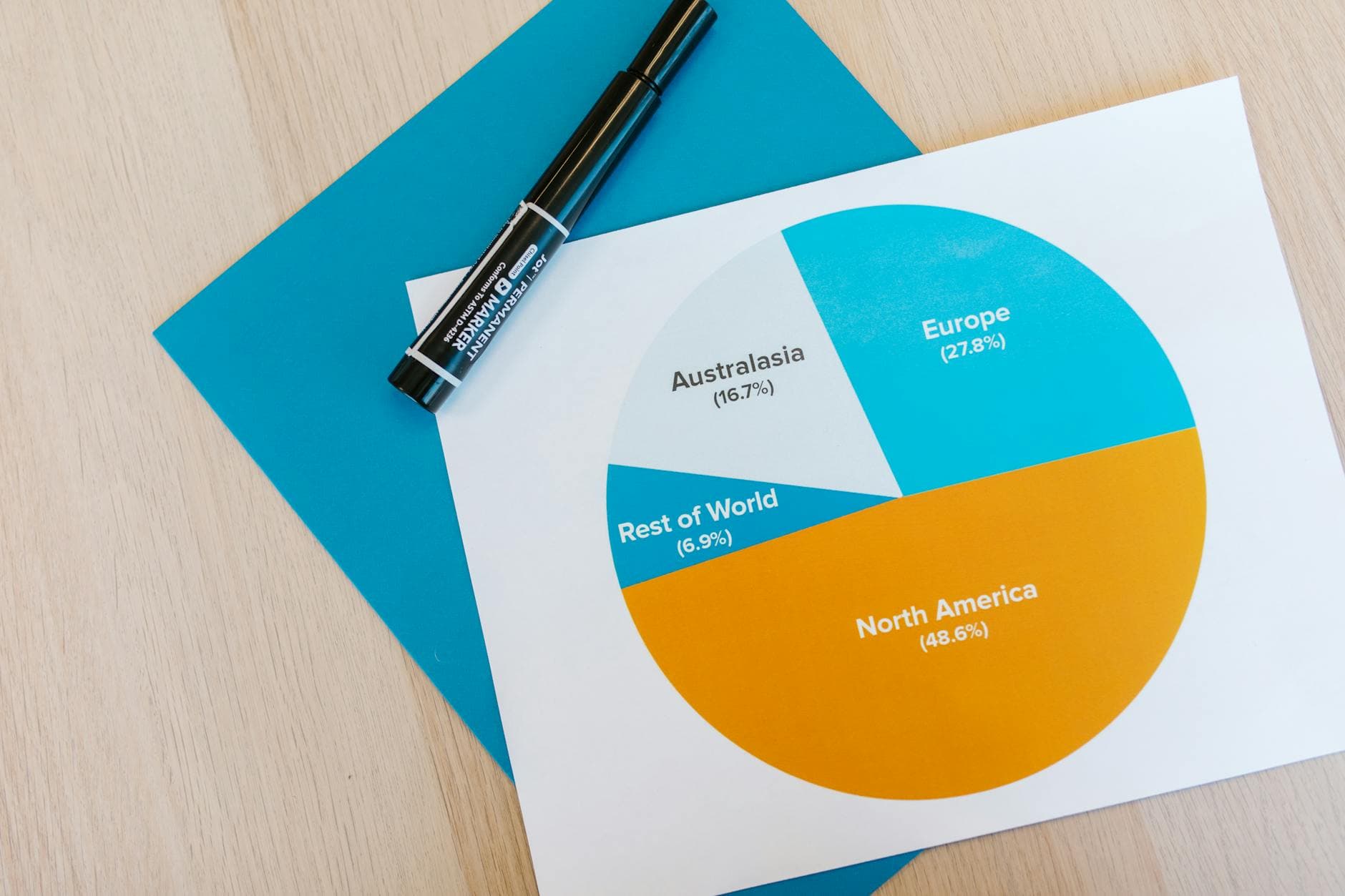
Knowing and mastering data segmentation is a strategy that will not only help you improve the user experience on your website, but will also help you boost conversions and achieve your goals.
Let us be clear. Segmentation sounds very technical and complicated. But it is not. Segmentation simply means classifying. And data segmentation is exactly that: classifying users into different categories.
The purpose of this strategy is to improve conversion on web pages by providing users with a good browsing experience. Additionally, this good experience will likely translate into an increase in conversion and improved customer retention.
In this article we will tell you how you can use data segmentation to boost your website's conversion. We will also explain the different ways to classify users, as well as the best tools and tips that will help you apply this technique as effectively as possible. Let us get into it!
As we mentioned in the introduction, data segmentation allows you to classify users into different categories. But that is only the tip of the iceberg of everything you can achieve with this strategy. Put simply, segmentation will also help you:
Better understand the users of your website.
Identify patterns in user behavior.
Find common characteristics among users.
Improve the user experience of your page.
Define areas for improvement and opportunities on your site.
Provide relevant, timely, and strategic content.
This way, by getting to know the users browsing your website better, you can show them content that is relevant to them, making it more likely they will engage and end up taking the desired action — whether that is registering, signing up for a newsletter, sharing on social media, making a purchase, completing a survey...
That is why data segmentation is so important. By having a clear, data-backed roadmap, you will make smart, focused decisions. And as a bonus, it will help you identify opportunities for improvement and fine-tune your marketing and content strategy.
There are several ways to segment the users of a website and each one has its advantages. The most common and widespread are these:
Segmentation by personal characteristics such as age, gender, employment status, education level, occupation, family type, marital status, annual income, etc.
The best thing about this type of segmentation is that the information is fairly easy to obtain and low cost. If you have products aimed at a specific demographic group, it will allow you to show or hide them based on age, gender, or annual income, for example.
Segmentation by more personal and individual characteristics related to emotions and feelings. This includes values, interests, lifestyle, beliefs, attitudes, and personality, for example.
Demographic data gives you basic information about who your audience is. But psychographic data allows you to understand why people decide to buy or not buy your product or service, click, ignore your ad, or interact with your website.
Segmentation by the user's behavior within your website. That is, the actions they take, the pages they visit, the time they spend on each page, searches, number of clicks, etc. You can also classify your customers based on their loyalty to your website and create personalized messages for them.
This data will help you understand in a very direct way how a user interacts with your brand or product. And you can create personalized messages that help you be more effective and increase your conversion.
Segmentation by the user's geographic location, either more broadly (by continent, country, or state) or more specifically (by region, municipality, or exact location).
This segmentation, although it seems like the most basic, is very interesting because it allows you to take into account characteristics like the local climate, population density, whether the area is urban or rural, and even general market interests (for example, baseball is very popular in the United States, football and basketball in Europe, cricket in India, etc.).
As we mentioned, those 4 ways of segmenting users are the most common. But on our end, we always recommend also considering a fifth type of segmentation:
Segmentation by the type of device, applications, or software that users employ.
This segmentation is genuinely useful for adapting messages based on the type of device a user is accessing from and creating relevant communications.
Bear in mind that these forms of segmentation are not mutually exclusive. In fact, it is most common to use several segmentation strategies together to get a more complete picture of your website's users.
Today there are different types of tools and techniques that can help you implement effective data segmentation. Here are some of the most useful:
Google Analytics. You know this one, right? The best part is that it is a free tool that provides a great deal of information about user behavior on your website. On top of that, Google Analytics natively lets you segment users by geographic location, behavior on your website, and demographics, among other categories.
A/B testing. This technique involves comparing two versions of some element, section, or web page to see which one is more effective. These versions, called A and B, are randomly shown to visitors on your site. Some will see version A and others version B. It is very useful for testing different messages, designs, and images to find out which one improves conversion the most.
Content personalization. This involves creating different messages tailored to different users based on their behavior or characteristics. It is a technique that tends to work very well because showing personalized messages improves the user experience and increases the likelihood of conversion.
Imagine you sell clothing online through a website. Here is everything you could do to improve your website's conversion:
With Google Analytics you could segment users into different groups.
With this information, you could personalize the content of your pages to make them more interesting to each group of users.
For example: for female users who have shown interest in women's clothing items, you could then suggest the "Dresses" category.
Or, for users located in a geographic area with very cold winters, you could show them winter clothing products in the "Coats" category.
You could also run A/B tests to try different designs and offers on the homepage to see which works best for each group of users. This would allow you to improve and understand the interests and preferences of your visitors.
As you can see, knowing and applying a data segmentation strategy will help you improve the user experience on your website, obtain very valuable information for your business, and increase the likelihood of conversion. Not bad, right?
Get to work and, if you need a hand with it, do not hesitate to contact us! And if you want more information on how to improve your website's conversion, discover the 5 key creative strategies that everyone with an online business should know.
What affiliate marketing is, how it works, commission models (CPA, CPS, CPL), top platforms, pros, cons and how to measure conversion.
What Apple Search Ads is, campaign types (Basic and Advanced), key metrics, relationship with ASO, real costs and when it makes sense vs. Google Ads.
What a CSS partner is in Google Shopping, how the CSS program works, CPC savings advantages, how to choose a provider and its impact on conversion.