

analitica-digital5 min read
Eye Tracking in Marketing: Where Your User Looks
Eye tracking shows you exactly where users look on your website. Learn how to use it to improve user experience and increase conversions.
Do you know what percentage of your data is lost to ad blockers or browser restrictions? With server-side tracking in Google Tag Manager you can prevent that and gain full control over your digital measurement.
The way we collect, measure, and manage data is changing. For some time now, new concerns and regulations around data privacy, along with greater awareness of the importance of tighter control and precision in data management, have led many businesses to reconsider their digital measurement.
You have most likely already heard about the transition many are going through: from client-side tracking to server-side tracking with Google Tag Manager. A kind of silent revolution that is changing the rules of the game — for the better.
In this article we will explain why server-side tracking is truly the future of digital measurement and how it can provide key advantages for your digital strategy in the medium and long term.
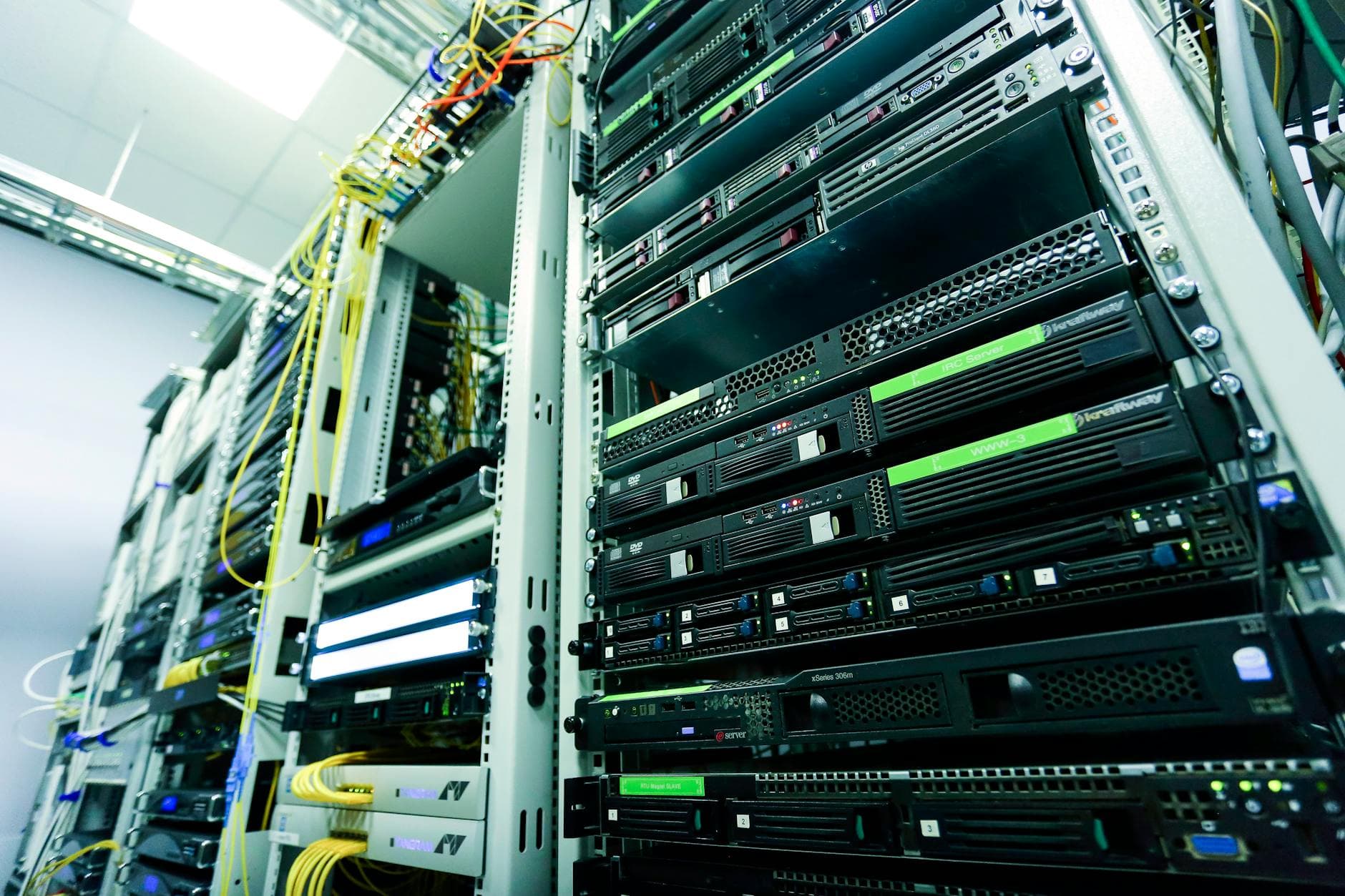
Server-side tracking is a way of implementing data tracking in which, instead of all pixels and tags firing directly in the user's browser (client-side), you first send them to an intermediate server that you control.
Unlike client-side tracking, when you use server-side tracking with Google Tag Manager, control and management pass through your own server, reducing dependence on browsers and increasing precision.
This model relies on a data layer that allows you to organize and transform data before sending it, ensuring its consistency and security at all times.
As a general rule, client-side tracking faces ad blockers, ITP (Safari's Intelligent Tracking Prevention), and many other limitations that cause many tags to stop firing. This means that much of the data may be unreliable or affected by these limitations.
If, on the other hand, tags pass through a server under your control, you have greater assurance that data reaches its destination correctly. It is an extra quality filter that lets you confidently know the data is reliable.
Server-side tracking with Google Tag Manager also brings direct benefits to your users. In fact, by reducing the number of tags that run in the browser, the page becomes lighter and loads faster.
Better web performance not only ensures your own service runs well, but also increases the likelihood that your customers will have a good experience and feel satisfied with your digital business.
Your server, your rules. And above all, the rules of the latest official regulations. Having server-side tracking represents a substantial increase in control and security over your data and how you manage it.
This model lets you filter sensitive information before it leaves your environment, ensuring compliance with GDPR and other privacy laws. You can prevent personal data from accidentally reaching third parties like Meta or Google, strengthening user trust and the security of your digital analytics.
Having control on your own server also lets you design a custom implementation for your business, without depending on third parties or pre-set tags.
With client-side tracking, your digital measurement can be affected by the browser's own limitations, forcing you to adapt your strategy to its constraints.
Data privacy is an increasingly important issue — for users, businesses, and especially for governments and public institutions. That is why there are more and more regulations and rules requiring greater control and security over user data.
Server-side tracking makes it easier to comply with regulations such as GDPR or ePrivacy since it allows more effective anonymization of data and direct control over what data is sent to third parties. The power of having your own server makes privacy tasks significantly easier.
If you are still unclear on how to adapt your tracking system to the new legislation, you can rely on our strategic consultancy to design a secure implementation that complies with current regulations.
In the server-side tracking process, Google Tag Manager (GTM) acts as an intermediary between the user's browser and analytics or marketing platforms.
Instead of the browser firing all pixels and scripts directly, the browser only sends a data package to your server. And that server, configured with a GTM container, takes care of processing, transforming, and forwarding the information to each platform (GA4, Meta Ads, TikTok Ads, etc.).
In other words: the user browses your site, the browser sends an event to your server (a purchase, for example), the server processes that data by anonymizing it, and then securely forwards it to the designated third party.
Implementing server-side tracking is not just an advantage in terms of privacy and regulatory compliance — it is also an improvement opportunity for all types of digital businesses:
– Ecommerce: Allows more precise recording of actual purchases, avoiding an unrealistic segmentation of who has bought and who has not. It also allows enriching purchase data before sending it to third parties. – Digital media or publications: In this case, it provides greater control over subscription or payment tracking within each outlet and allows more detailed tracking of ad or banner clicks within the site. – SaaS services and applications: The main benefit is centralizing all app usage data on a single (owned) server, but it also improves the sending of information and data to the various services the business depends on (CRM tools, for example).
Unlike client-side tracking, where the infrastructure and general operation depend on the browser itself, implementing server-side tracking presents a number of challenges that digital businesses must face.
The first and most important thing to understand is that this digital measurement model requires greater infrastructure that the digital business itself must design, implement, and of course fund. Something that also requires certain technical knowledge that is not always within everyone's reach.
It is also very important to bear in mind that the migration from client-side tracking must be gradual. It is practically impossible to jump from one model to the other without a disconnect in the data or even some errors in web analytics. To do it safely, it is necessary to take some time and rely on experts in the field.
Investing in server-side tracking with Google Tag Manager is betting on the future of your business: more security, more precision, and greater technological independence. This model will become the measurement standard in the medium and long term, guaranteeing clean, reliable analytics that comply with privacy requirements.
At Boost we help companies like yours transform their digital measurement with advanced server-side tracking solutions. From technical planning to data layer configuration and GA4 integration, we design custom strategies to maximize your control over data.
Modernize your analytics, protect your users' privacy, and improve your decisions. Contact us to implement advanced measurement with Google Tag Manager.
Eye tracking shows you exactly where users look on your website. Learn how to use it to improve user experience and increase conversions.
Discover what a data-driven strategy is, what it means to be a data-oriented company, and how to implement it step by step using tools like GA4,...
Don't trust your data? Discover what to review in your digital analytics audit to successfully start doing CRO. Introducing Scan&Boost: your complete...