estrategia-data-driven5 min read
Google Ads Agency: Costs, Criteria and Results
Everything you need to know before hiring a Google Ads agency: services, pricing, real metrics and how to ensure every ad euro generates a return.
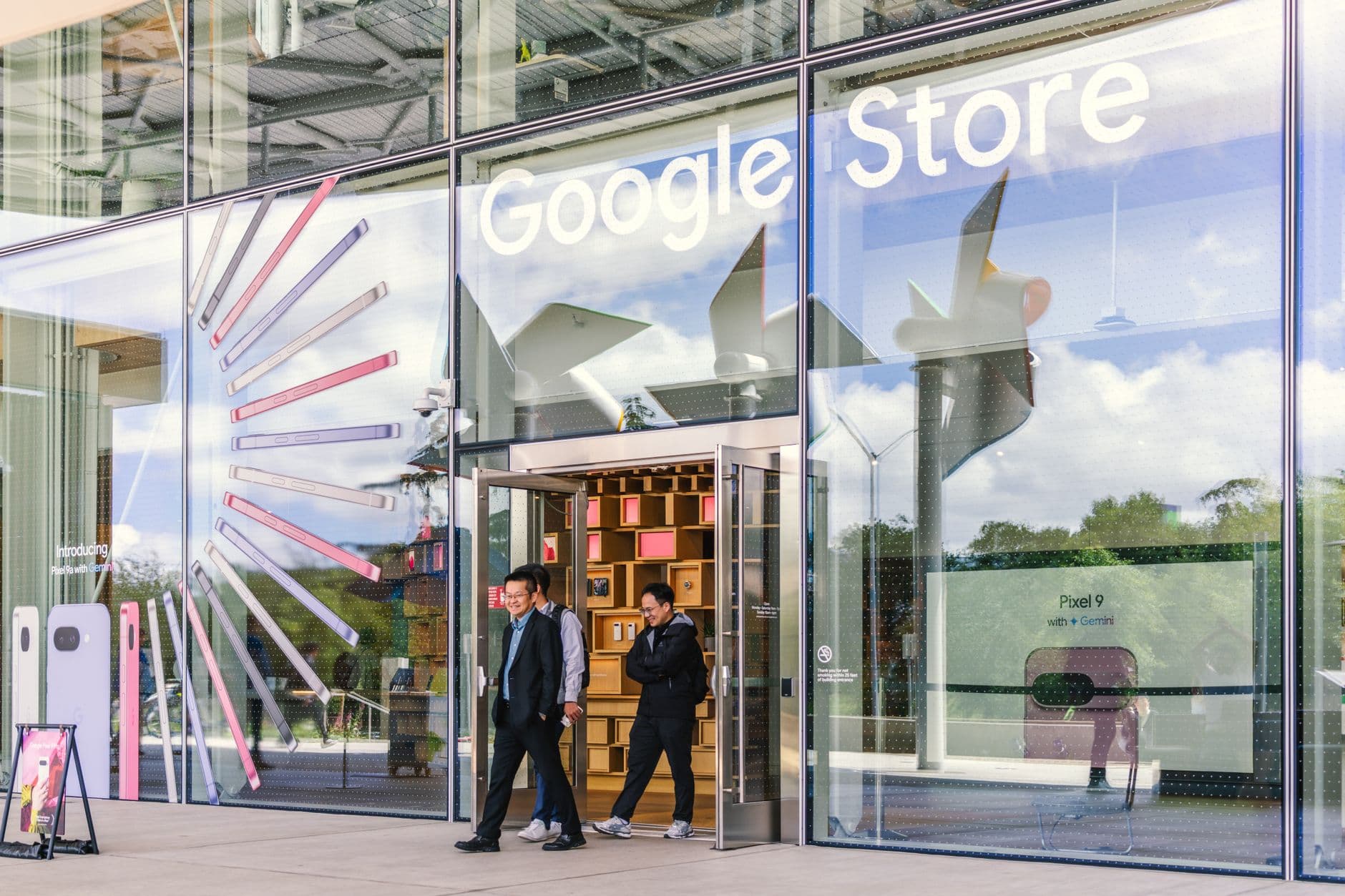
46% of Google searches have local intent. And 76% of people who search for something "near me" visit a business within the next 24 hours. If you have a location-based business and aren't doing local SEO, you're handing customers to your competitors.
Local SEO is the strategy for showing up in Google's geolocalized search results: the map pack, Google Business Profile listings and organic results with local intent.
It's not the same as "regular" SEO. The signals Google uses to rank locally are different:
Your Google listing is your most important storefront. Optimize it:
Reviews are the #1 decision factor for local consumers and a powerful ranking signal:
NAP = Name, Address, Phone number. It must be identical everywhere:
Any inconsistency in your name or address confuses Google and can hurt your ranking.
Create content that demonstrates your local relevance:
If you have multiple locations (franchises, chains, services with regional coverage), the strategy gets more complex but the opportunity multiplies:
| Tool | What it's for |
|---|---|
| Google Business Profile | Listing management |
| Google Search Console | Local position tracking |
| Ahrefs | Local keyword research + competitor analysis |
| BrightLocal | Citation audit and local tracking |
| Whitespark | Citation discovery |
| GA4 | Traffic and conversion measurement |
| Looker Studio | Local performance dashboards |
Creating 50 landing pages for "marketing agency in [city]" with the same text, just swapping the city name. Google flags this as duplicate and thin content. Each city page must have unique content, local testimonials and area-specific references.
Local SEO is faster than traditional SEO:
There's no point in showing up in the local pack if your website doesn't convert. At Boost, we apply the same data analysis and experimentation methodology to local traffic as we do to CRO for any channel. Because local traffic has extremely high purchase intent — and every visit that doesn't convert is money left on the table.
Want to know how your local presence on Google looks? Request a free CRO audit and we'll analyze your website in under 2 minutes.
Need reliable data to make better decisions? Learn about our digital analytics service and turn your data into results.
Adria Vidal is the founder of Boost, an AI-first agency with teams in Barcelona, Miami, Panama City and Tallinn. Specialists in CRO, analytics and digital experience optimization.
Everything you need to know before hiring a Google Ads agency: services, pricing, real metrics and how to ensure every ad euro generates a return.
What to look for in a digital marketing agency, what services it should offer, red flags and why conversion is the metric that matters most.
What to expect from a social media agency, how to measure the real ROI of social media and why likes don't pay the bills.