

optimizacion-conversion5 min read
Cohort Analysis: What It Is and How to Use It
Cohort analysis groups users by behavior or date to measure retention, engagement, and conversion over time. Learn how to set it up and extract actionable...
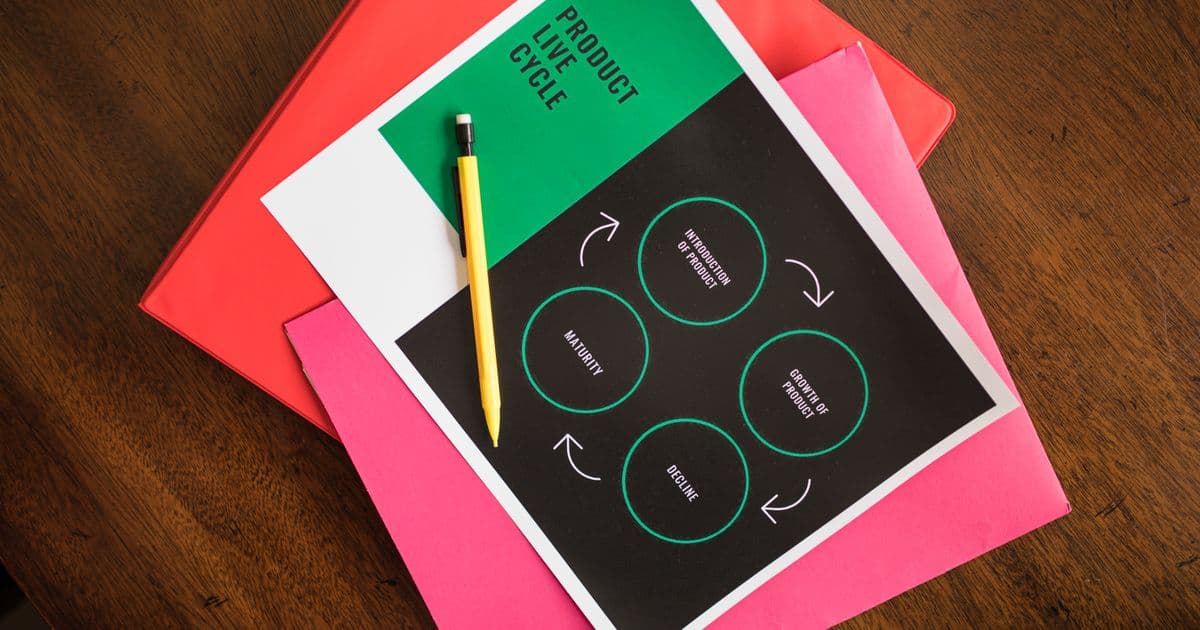
The flywheel is a growth model that replaces the traditional marketing funnel with a continuous cycle where the energy you invest in attracting, engaging, and delighting customers accumulates and feeds back into growth.
In the classic funnel, customers are the end result. In the flywheel, satisfied customers are the engine: they recommend, repeat, and attract new customers with their activity, creating a cycle that accelerates over time.
The concept was popularized by HubSpot in 2018, but the underlying idea — that retention and satisfaction are more efficient than constant acquisition — is a fundamental principle of any sustainable growth strategy.
| Aspect | Funnel | Flywheel |
|---|---|---|
| Structure | Linear (top to bottom) | Circular (continuous cycle) |
| Energy | Consumed | Accumulated |
| Customer | End result | Growth engine |
| Focus | Acquisition | Retention + acquisition |
| Friction | Not considered | Actively eliminated |
| Key metric | CAC | LTV/CAC ratio |
The funnel doesn't disappear: it's still useful for understanding each journey stage. The flywheel adds the feedback layer the funnel ignores.
Generate traffic and attention with useful content, SEO, advertising, and social presence. The difference from the funnel is that in the flywheel, your current customers also attract: their reviews, shares, and recommendations generate organic traffic.
Facilitate the relationship and conversion by eliminating friction. Offer personalized content, simple purchase processes, free trials, and proactive support. The goal is making the experience so good that the user has no reason to look for alternatives.
Exceed expectations after the sale. Exceptional support, guided onboarding, product updates, and unexpected touches turn customers into active promoters. This phase feeds the flywheel's momentum.
The flywheel's velocity depends on three factors:
| Phase | Key Metrics |
|---|---|
| Attract | Organic traffic, referral traffic, share of voice |
| Engage | Conversion rate, time to value, engagement rate |
| Delight | NPS, retention rate, referral rate, expansion revenue |
If your flywheel works, the LTV/CAC ratio improves over time. Customers cost the same to acquire but generate more value (buy more, stay longer, bring referrals). A 3:1 ratio is healthy; above 5:1 indicates the flywheel has real momentum.
Friction is the flywheel's enemy. The most common friction sources:
For each friction point, the question is: "How can I make this easier, faster, or more pleasant for the customer?"
CRO is naturally compatible with the flywheel because it focuses on eliminating friction in the Engage phase and maximizing the value each user gets from the experience.
An effective CRO process doesn't just improve the initial conversion rate; it improves the overall experience, which feeds the Delight phase and generates more referrals. It's a virtuous circle: better experience, more satisfaction, more recommendations, more qualified traffic, better conversion.
At Boost, we believe conversion optimization doesn't end at the purchase. We work to ensure every touchpoint reduces friction and fuels sustainable business growth. Learn about our CRO services or analyze your site for free with Scan&Boost.
Adrià Vidal — Boost
Cohort analysis groups users by behavior or date to measure retention, engagement, and conversion over time. Learn how to set it up and extract actionable...
Users who use an ecommerce site search convert 2x to 4x more than those who browse. Learn how to optimize your site search to capture that purchase intent.
Google Consent Mode v2 lets you measure conversions while respecting user consent. Learn what changes, how to implement it, and its impact on your...